




 World02 May 2026
UK Prime Minister Keir Starmer Proposes Ban on Certain Pro-Palestine Protests
Starmer calls for banning chants at pro-Palestine protests, citing rising anti-Semitism. Critics say it's a crackdown on free expression.
Starmer Advocates for Protest Bans Amid Anti-Semitism Concerns
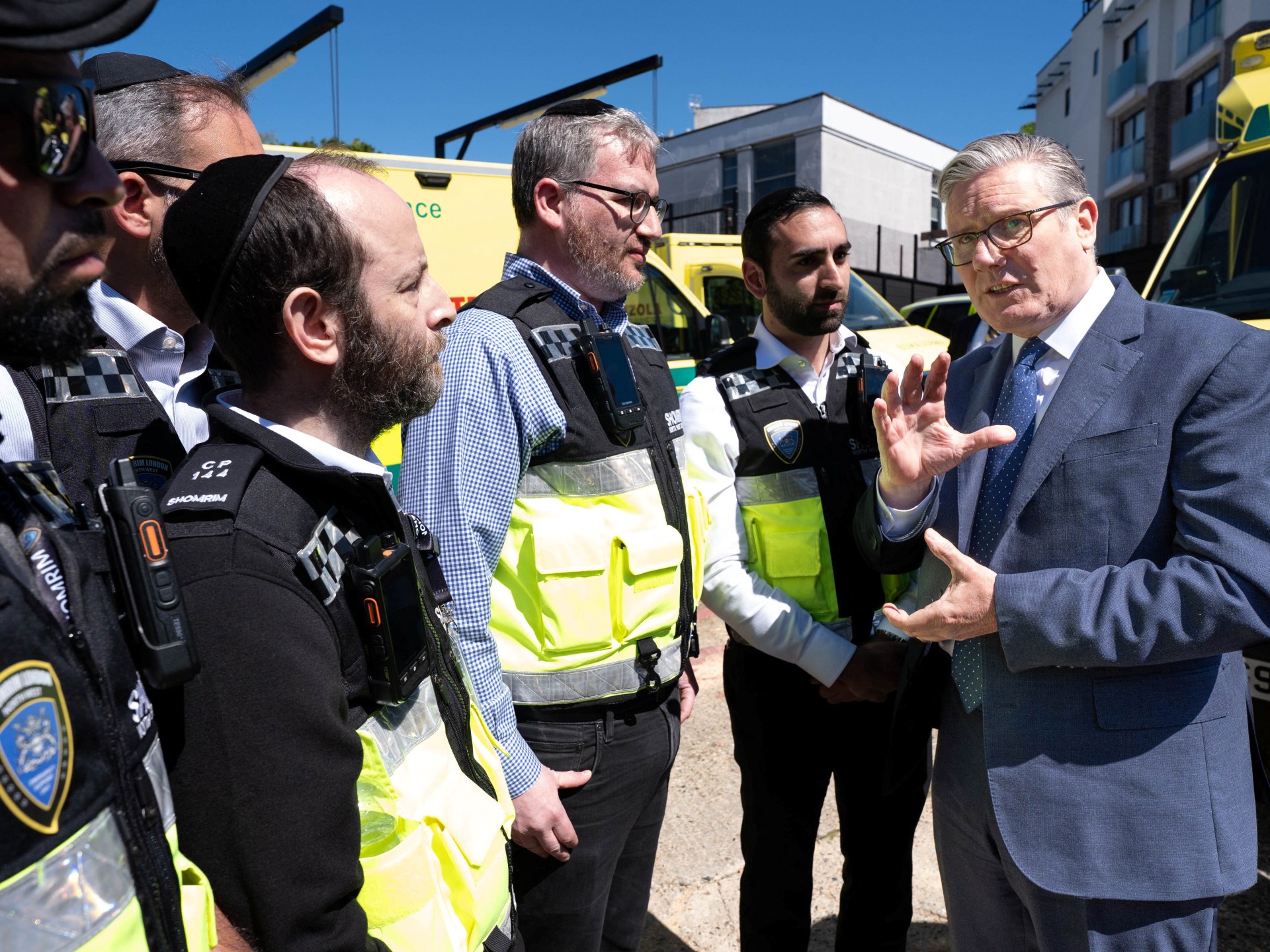
UK Prime Minister Keir Starmer has proposed significant measures that may lead to the banning of certain pro-Palestine protests. Speaking during a recent interview with the BBC, Starmer labeled the chant "globalise the Intifada" as extreme and racist, arguing for stricter regulations on language used during demonstrations. This proposal has emerged against the backdrop of increasing anti-Semitic incidents in the UK, including a stabbing that targeted members of the Jewish community.
Context of the Proposal
The Prime Minister's remarks come in response to mounting pressure faced by the UK government amid ongoing pro-Palestine activism. Starmer specifically mentioned having discussions with police about measures to address potentially harmful rhetoric at these protests. "When there are chants like ‘globalise the Intifada’, that’s completely off limits," he stated, reinforcing the necessity for tougher consequences for those who use such phrases.
The call for a crackdown follows a violent incident in Golders Green, a London suburb with a significant Jewish population, where two men were recently stabbed. Authorities have linked these tensions to the ongoing conflict in Gaza, emphasizing the need for a delicate balance between upholding freedom of speech and preventing violence.
Response from Authorities and Activists
Metropolitan Police Commissioner Sir Mark Rowley echoed Starmer's sentiments, indicating that individuals using the controversial phrase during protests are "likely to be arrested". Activists who support the phrase claim it serves as an appeal to broaden the pro-Palestine movement into a global initiative, countering the government's framing of it as inciting violence.
Starmer has faced backlash from both his supporters and critics alike, with many arguing that his proposed actions may infringe upon the right to peaceful protest. Some activists contend that the UK’s security measures reflect a worrying trend towards limiting democratic expression.
Rising Tensions and Public Sentiment
During his visit to Golders Green, Starmer encountered a hostile reception from local residents who accused him of failing to protect their community. With more than 500 arrests during a recent pro-Palestinian vigil in central London, demonstrators expressed their concerns about the government's recent moves against the movement, suggesting that it marks a shift towards a "non-democratic situation" detrimental to free speech.
Given the escalating tensions, the UK has raised its security alert level to "severe", indicating the critical nature of the current socio-political climate in relation to protests and community safety. Starmer's remarks signal a contentious debate about the limits of free expression in the context of ongoing conflicts.
The government's stance continues to generate discussions around the implications of national security measures on the right to protest and the growing fear among communities affected by violence.
Popular news
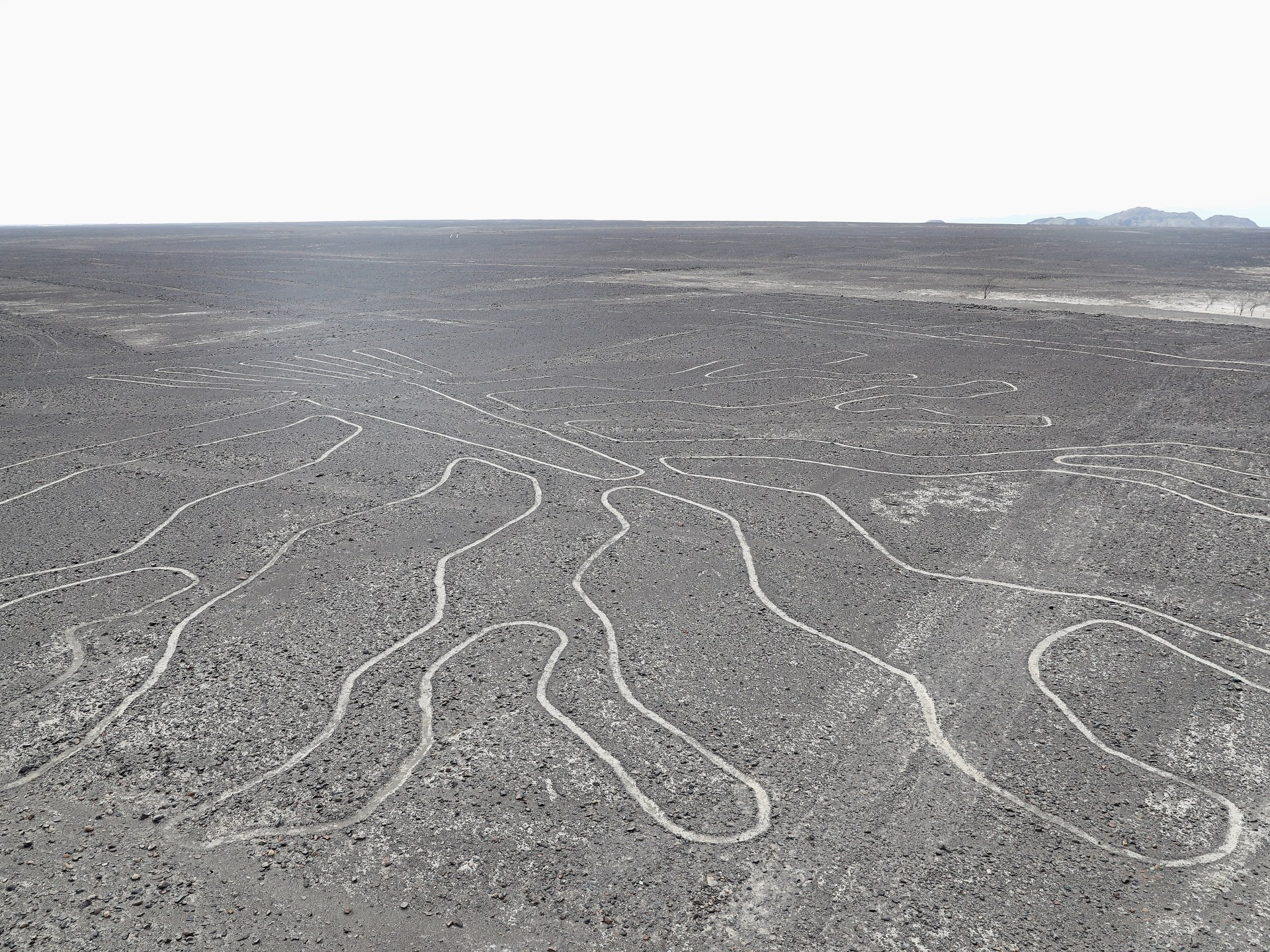
A small plane crash while touring the Nazca Lines in Peru has resulted in 13 fatalities, including tourists and crew.

Subscribe to
our news
Get the most important updates and top stories in your inbox.