



 Business30 Jul 2026
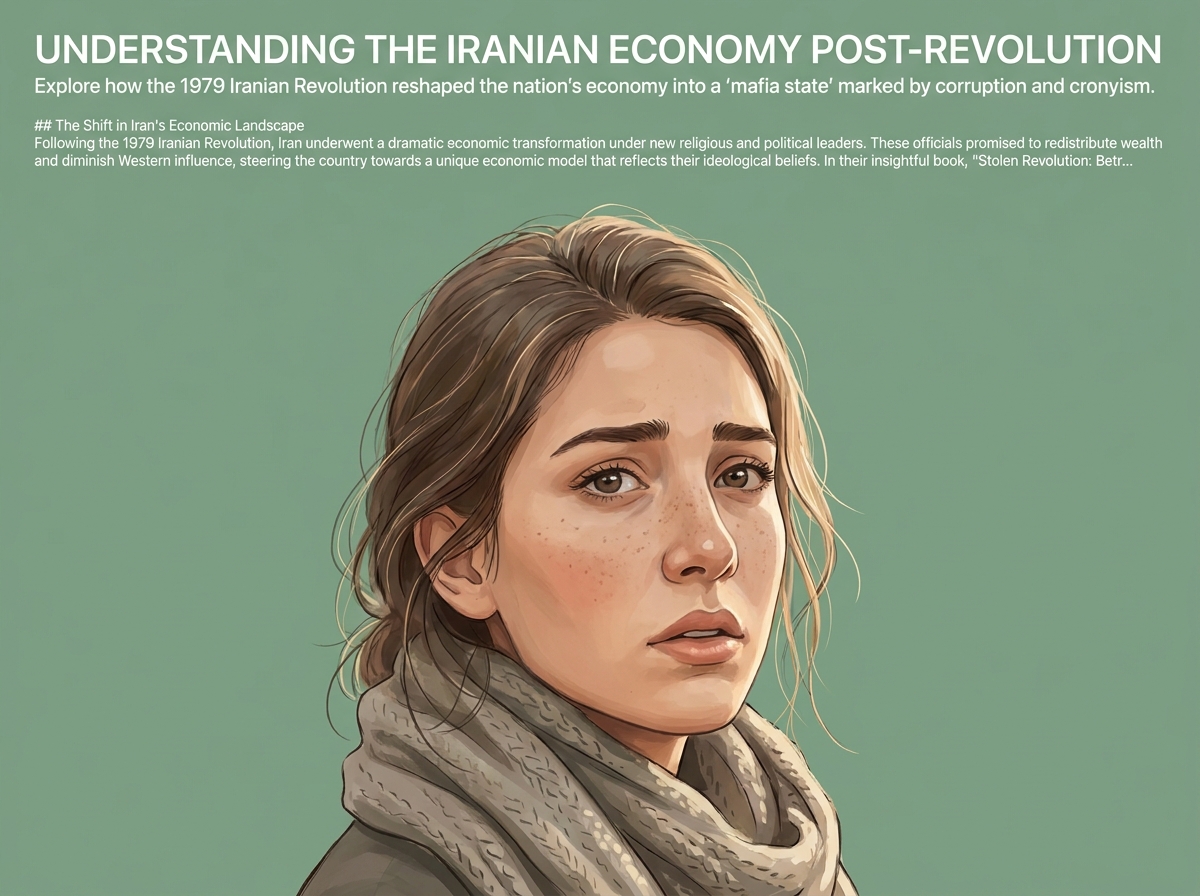
Understanding the Iranian Economy Post-Revolution
Explore how the 1979 Iranian Revolution reshaped the nation’s economy into a 'mafia state' marked by corruption and cronyism.
The Shift in Iran's Economic Landscape
Following the 1979 Iranian Revolution, Iran underwent a dramatic economic transformation under new religious and political leaders. These officials promised to redistribute wealth and diminish Western influence, steering the country towards a unique economic model that reflects their ideological beliefs.
In their insightful book, "Stolen Revolution: Betrayal and Hope in Modern Iran," authors Yeganeh Torbati and Bozorgmehr Sharafedin dissect the evolution of Iran's economy, describing it as evolving towards a 'mafia state'. This term encapsulates how various factions have intertwined their interests with the political landscape, creating a system rife with cronyism.
Key Themes in the Book
Wealth Redistribution vs. Cronyism
Initially, the revolutionary leaders aimed to bridge socioeconomic gaps among the Iranian populace. However, Torbati and Sharafedin argue that the promise of equitable wealth distribution has given way to extensive cronyism. Individuals promoting loyalty to specific factions gain undue advantages, exacerbating economic disparities rather than alleviating them. The implications of this favoritism are profound, as they dictate access to resources and opportunities throughout the country.
The Tech Sector's Challenges
Iran's tech sector has showcased remarkable potential yet faced heavy challenges stemming from government regulations and inefficiencies. The authors contend that while this sector could thrive and innovate, the existing power dynamics favor traditional industries and corrupt practices, stifling the entrepreneurial spirit. As the government navigates international sanctions and local resistance, the tech industry remains caught in a difficult position, trying to redefine itself amidst an entrenched system of favoritism.
Future Economic Prospects Amid Peace Talks
Recent peace negotiations have stirred speculation about potential economic revitalization. However, Torbati and Sharafedin caution that these talks may not fundamentally alter the underlying issues plaguing the Iranian economy. Despite hopes for new economic policies or a shift in international relations, the entrenched interests of various factions suggest continuity rather than sweeping reform.
Navigating Everyday Life in Iran
Amidst systemic corruption and cronyism, ordinary Iranians continue to navigate a complex economic landscape. Everyday decisions hinge on an understanding of which faction to appease, how to access resources, and where opportunities might emerge. As the nation grapples with its historical legacy and the fallout from the revolution, both public sentiment and individual strategies reveal the resilience of the Iranian people in adapting to their ever-changing circumstances.
In conclusion, understanding the nuances of the Iranian economy today requires grappling with its history since the revolution. Through their critical analysis in "Stolen Revolution", Torbati and Sharafedin provide a compelling narrative that captures the struggles and complexities facing modern Iran.
Popular news
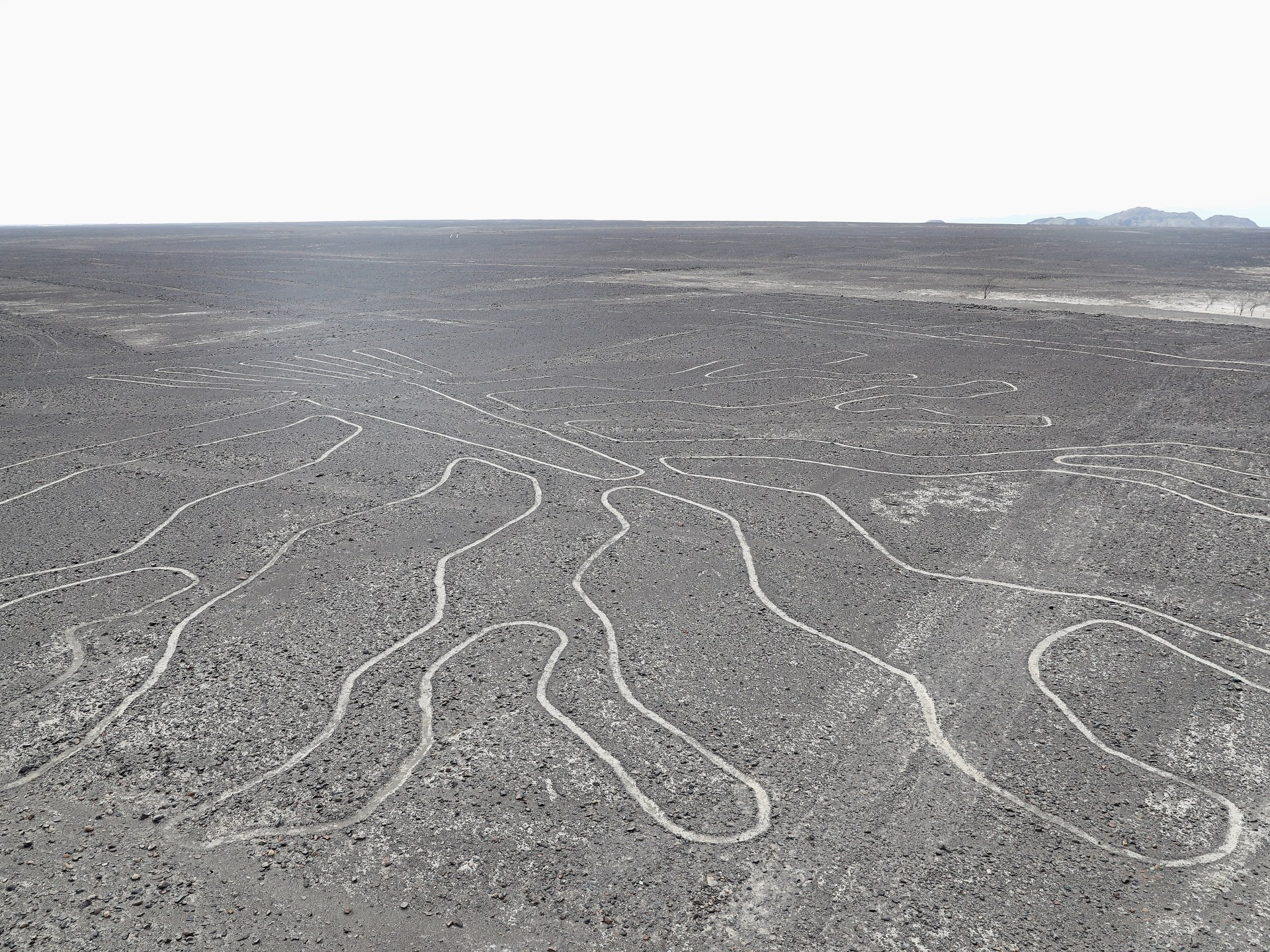
A small plane crash while touring the Nazca Lines in Peru has resulted in 13 fatalities, including tourists and crew.
Subscribe to
our news
Get the most important updates and top stories in your inbox.