
 Business25 Sept 2026
U.S.-China Trade Negotiations Progress Report Expected Monday, Says USTR Greer
U.S. Trade Representative Jamieson Greer reveals progress in U.S.-China trade talks, with detailed agreements to be shared on Monday.
Key Developments in U.S.-China Trade Relations
U.S. Trade Representative Jamieson Greer announced on Friday that notable progress has been made in ongoing trade negotiations with China. Speaking on CNBC's "Squawk Box," Greer highlighted that both countries have reached agreements covering specific goods that will be traded under more favorable terms. Further details are expected to be disclosed on Monday.
Agreements and Focus Areas
Greer emphasized that these agreements are aimed at protecting certain trade categories from the impact of future tariffs, allowing for more stable trading conditions. He affirmed that the discussions primarily revolve around trade issues rather than national security topics, stating:
"All those export controls that are national security issues, we take those off the table."
This focus aligns with the U.S. administration's desire to ensure that businesses can operate in a more predictable trading environment. The agreements reportedly include U.S. agricultural products and medical devices alongside Chinese consumer goods deemed nonsensitive.
Extension of the Trade Truce
In light of ongoing negotiations, Washington and Beijing have agreed to extend their trade truce by an additional two months. Greer characterized this period as crucial for assessing compliance with prior commitments, such as China's undertaking to purchase U.S. agricultural products, including soybeans. He noted:
"Whenever we have these compliance periods that roll over, it's a time for us to assess, reassess and determine whether or not to continue this period of relative peace on the economic front with the Chinese."
Shift in Trade Dynamics
Greer reported a significant decline—almost 40%—in the U.S. goods trade deficit with China, attributed in part to the shifting of trade flows to other nations amidst the tariff landscape. As businesses realign supply chains, Mexico has notably emerged as a key beneficiary, with U.S. imports from the country reaching record levels in July.
"When you impose tariffs ... you see market actors starting to do what market actors do, which is respond to new terms of trade," Greer explained.
Business sectors are eagerly anticipating the upcoming announcement detailing which product categories will benefit from reduced tariffs under the new framework.
Cooperation Beyond Trade
In conjunction with trade discussions, recent meetings between President Donald Trump and Chinese President Xi Jinping have also addressed emerging technologies. Xi emphasized that artificial intelligence could facilitate cooperation between the two nations. Comments made by Trump on social media reflected a positive outlook on future advancements in this field, signaling potential areas for collaboration beyond tariffs.
As both parties prepare for further negotiations, the business community remains hopeful for a comprehensive resolution that could stabilize economic interactions between the U.S. and China.
Popular news
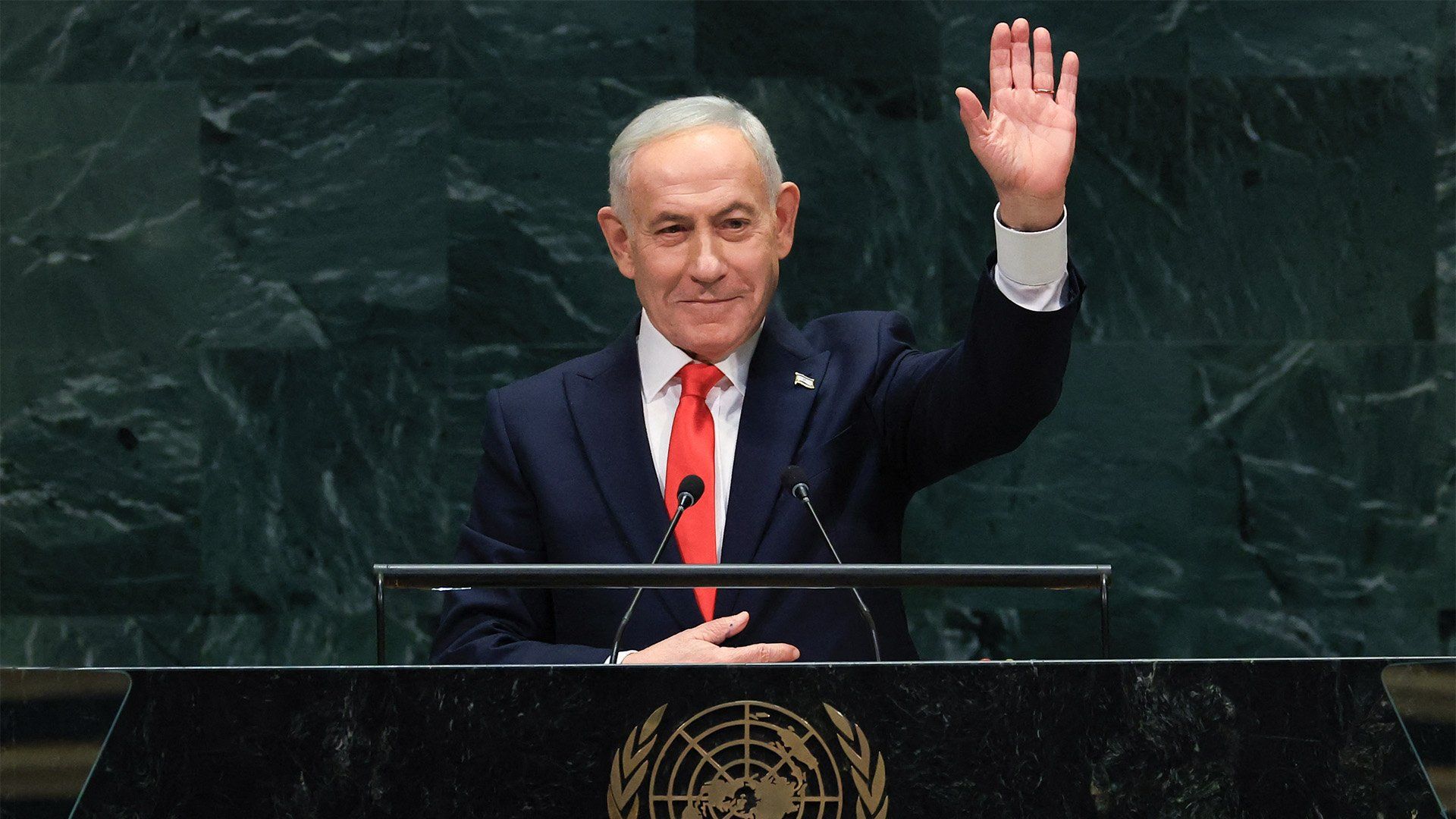
Netanyahu dismisses West Bank violence as actions of 'juvenile delinquents' during a UN speech, focusing on Israel's military success against Hezbollah.


Subscribe to
our news
Get the most important updates and top stories in your inbox.