





 World12 May 2026
US Court Temporarily Halts Ruling Against Trump's Global Tariff
A US appeals court has temporarily paused a ruling that blocked Trump's 10% global tariff as the legal battle continues amid rising consumer costs.
US Court Actions on Trump's Global Tariff
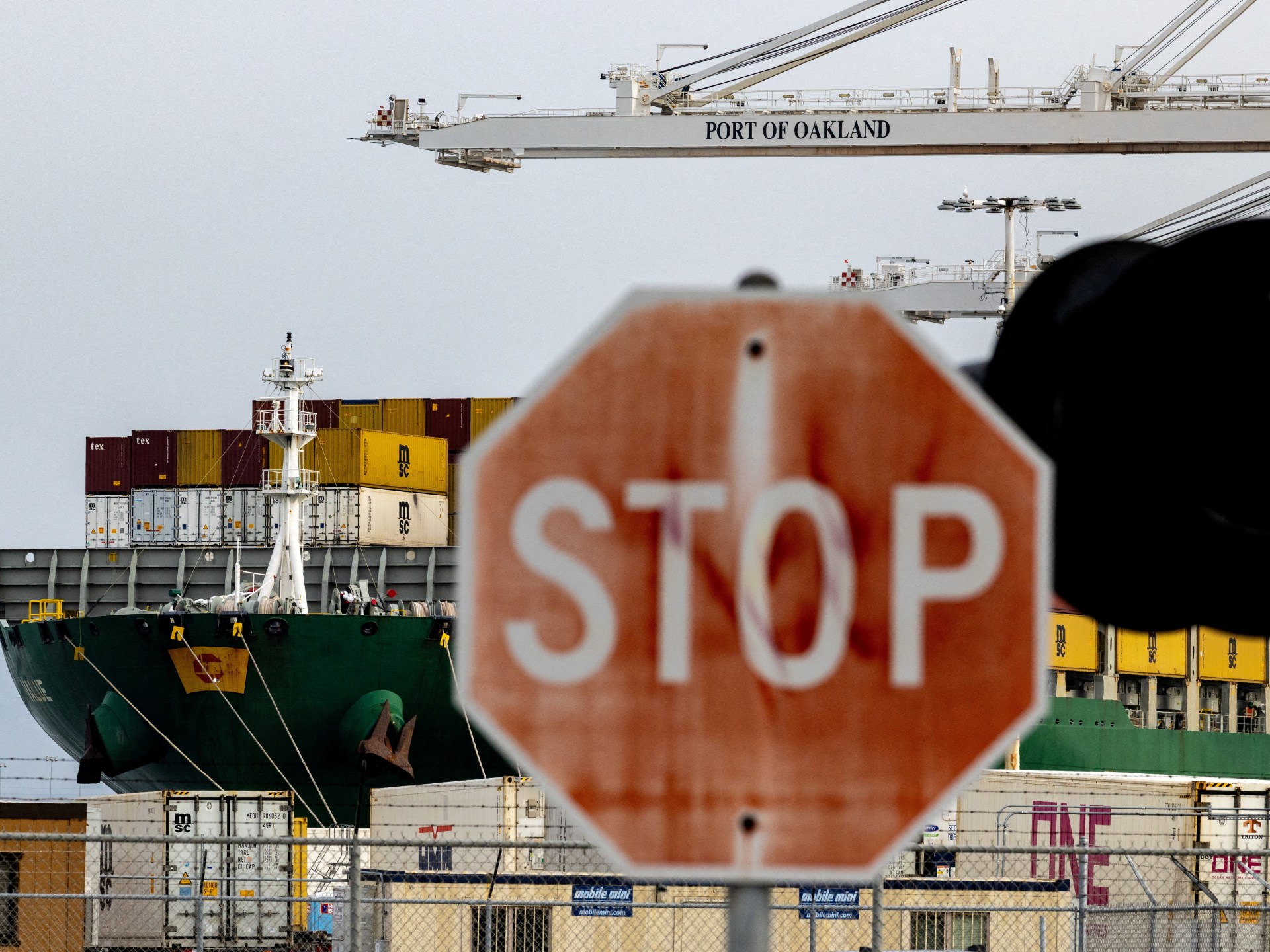
In a significant development, a federal appeals court in the United States has temporarily paused a lower court ruling that blocked President Donald Trump’s controversial 10 percent global tariff. This decision allows further legal proceedings to unfold while raising critical questions about the scope of presidential authority under trade law.
Background of the Tariff
President Trump initially imposed the 10 percent tariff on imports in January as part of a broader strategy to leverage trade policies. The imposition followed the Supreme Court's previous ruling which overturned another set of tariffs that were enacted using the International Emergency Economic Powers Act (IEEPA). The Court's decision indicated that the IEEPA does not grant the president the power to enforce broad tariffs, leading to mounting legal scrutiny of Trump's current tariff policy.
On Friday, a panel at the US Court of International Trade ruled two to one against the tariff, stating that Trump had not met the conditions outlined in Section 122 of the 1974 Trade Act, which are necessary for imposing such tariffs. The lower court's ruling asserted, "The President’s Proclamation fails to assert that those required conditions have been satisfied," declaring the tariffs unauthorized by law.
Legal Challenge and its Implications
The appeals court's stay on the lower court ruling provides the White House with additional time to respond to the lawsuit initiated by a coalition of 24 states. These states argue that Trump’s tariffs amount to an abuse of executive power, burdening consumers and businesses with increased costs. Washington State Attorney General Nick Brown commented on the plaintiffs' stance, stating, "It’s American consumers and businesses that have ultimately paid for the president’s illegal tariff campaign.”
Recent reports indicate that consumer prices are indeed rising as a result of this tariff campaign. For instance, prices for apparel and electronics have surged by 0.6 percent, with toys and furniture showing an even sharper increase of 0.8 percent. The economic ramifications of Trump's tariff policy are becoming increasingly evident as consumers feel the effects in their daily expenditures.
The Future of the Tariff
The legal battle over the Section 122 tariffs continues amidst broader concerns about its expiration. Under the provisions of Section 122, the tariffs are set to expire in July unless Congress decides to extend them. This timeline adds urgency to the ongoing legal challenges, as the potential for prolonged tariffs remains uncertain. Critics have raised alarms about the broader implications of tariffs, citing concerns over regulatory burdens and fiscal impacts if these measures are reversed.
As the legal landscape unfolds, Customs and Border Protection is also working on refunding tariffs imposed earlier under the IEEPA. Reports indicate that refunds totaling approximately $35.46 billion are anticipated, directly impacting over 8.3 million processed shipments.
Conclusion
The situation regarding Trump's 10 percent global tariff remains fluid, with a federal appeals court's recent decision allowing for a pause in enforcement while further legal scrutiny occurs. As debates regarding trade policy intensify, the effects on consumers and businesses are expected to remain a focal point in this ongoing saga.
Popular news
A small plane crash while touring the Nazca Lines in Peru has resulted in 13 fatalities, including tourists and crew.



Subscribe to
our news
Get the most important updates and top stories in your inbox.
