 World01 Jun 2026
US Expands AI Chip Ban to Chinese Firms Outside China
The US expands its AI chip ban to include Chinese firms outside of China, tightening export controls amid rising tech competition.
US Expands AI Chip Ban to Chinese Firms Outside China
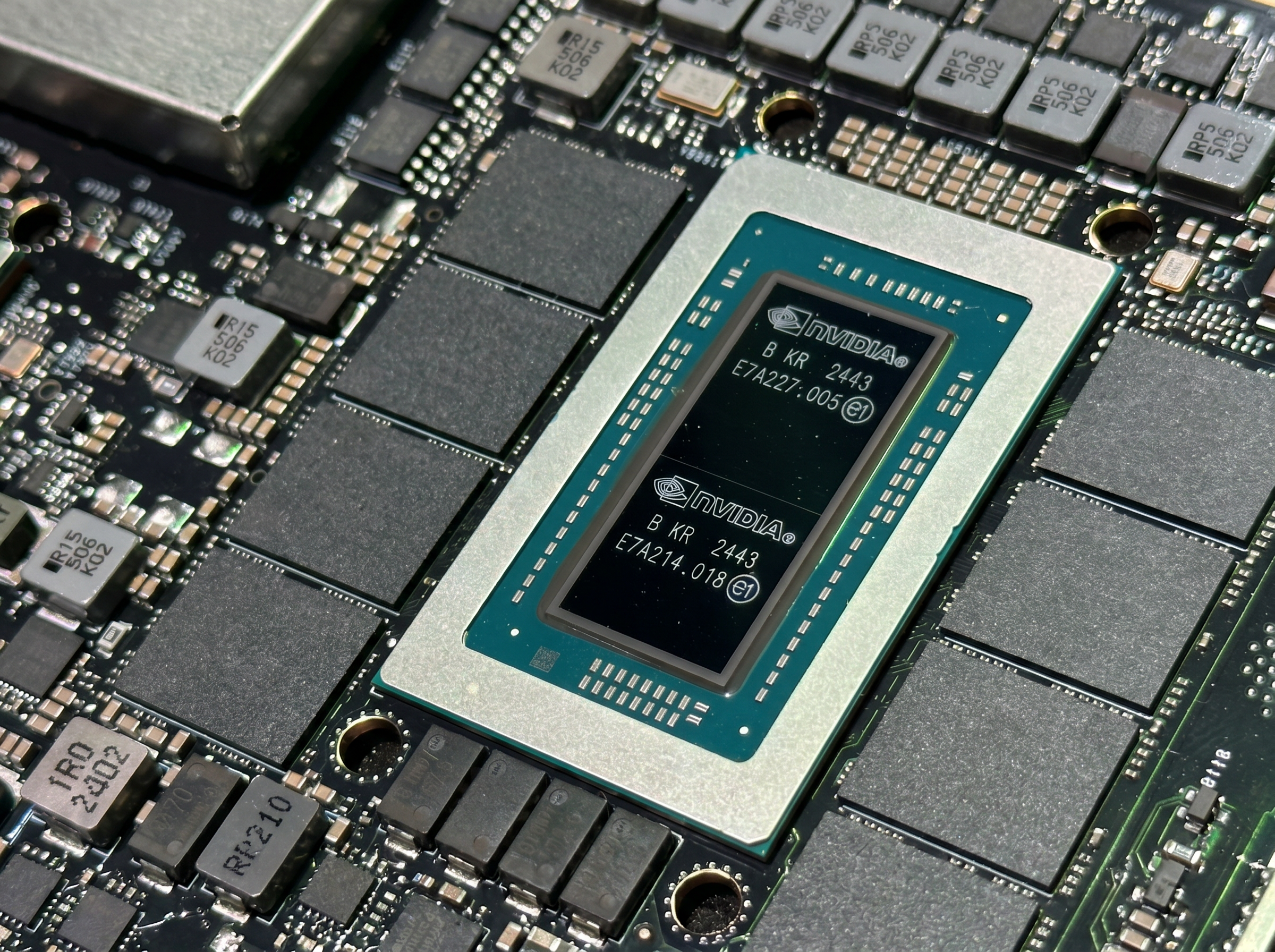
In a significant move to tighten export controls, the US Department of Commerce has clarified that its ban on shipments of advanced AI chips now extends to Chinese companies located outside of China. This announcement aims to close potential loopholes that would allow these companies to continuously access crucial technology amid growing tensions between the US and China over artificial intelligence advancements.
Clarification on Export Controls
The guidance released on June 1 affirms that licensing requirements for the export of advanced AI chips apply universally to all companies with headquarters or parent firms in China, regardless of their location. The Bureau of Industry and Security (BIS) reported that this clarification was necessary due to previous uncertainties surrounding the enforcement of existing licensing requirements.
Officials noted that the previous regulations fell short, allowing loopholes for Chinese firms to obtain chips that should have been restricted. Former State Department official Chris McGuire criticized the Trump administration for these exploitative gaps which permitted Chinese companies to acquire controlled chips without major repercussions. "This clarification does make clear that Blackwell shipments to China-headquartered companies outside of China are now illegal again," he stated.
Industry Response
Prominent chip manufacturer Nvidia confirmed its adherence to the new rules, asserting that its vetting process aligns with the updated export guidelines. A spokesperson for the company communicated, "The guidance reaffirms that NVIDIA’s sales and vetting process is correct – consistent with our existing approach, licenses are required to ship controlled products to PRC headquartered companies."
The move comes after Nvidia previously faced pushback from the proposed frameworks under the Biden administration that were perceived as restrictive to the innovation and collaborative prospects with foreign tech firms.
Escalating Tensions in Technology
As the US intensifies its regulatory measures, it seeks to solidify its supremacy in the high-stakes arena of AI technology. The restrictions are part of a broader strategy by the US government to maintain control over advanced semiconductor technology amidst fierce competition from China. Several major technology firms, including AMD and Intel, have yet to comment on the recent changes regarding export controls.
In an earlier development, former President Trump permitted Nvidia to sell its H200 chip to China, marking a considerable softening of strict export controls. This recent escalation in regulations reflects the US administration's ongoing efforts to balance engagement with strict oversight, especially regarding sensitive technology sectors vital for national security.
The US’s move to encompass Chinese firms outside its borders demonstrates a proactive stance in mitigating potential risks associated with technological proliferation that could enhance China’s capabilities in artificial intelligence.
Popular news
New York has declared a disaster emergency over rising measles cases, especially among under-immunized populations, with 108 confirmed cases.




Subscribe to
our news
Get the most important updates and top stories in your inbox.