





 World19 Jun 2026
US Export Ban on Anthropic's AI Models Deepens Rift with Allies
The US ban on Anthropic's AI models raises tensions with allies, pushing for Europe’s tech self-reliance amid national security concerns.
US Export Ban on Anthropic's AI Models
Recent actions by the Trump administration to ban the export of advanced artificial intelligence models developed by Anthropic have intensified growing concerns among US allies regarding their dependence on American technology. This unprecedented move to restrict foreign access is viewed as a significant shift in US policy on technology exports, particularly in the fast-evolving AI sector.
A Wake-Up Call for Allies
The ban specifically halts access to Anthropic’s powerful AI models, Mythos 5 and Fable 5, which have been utilized by approximately 200 institutions across 15 countries. According to reports, Anthropic was compelled to take these models offline to comply with the US government's directive. French President Emmanuel Macron articulated the seriousness of the situation during a recent G7 summit, suggesting that this ban is not just a hindrance but also a wake-up call regarding the vulnerabilities created by over-reliance on US tech firms.
Macron described the ban as a “bad thing,” emphasizing the nature of the restrictions as overtly nationalistic. This perspective resonates with growing sentiments within Europe that underscore the necessity for developing a more independent technological landscape.
National Security and Strategic Implications
The Trump administration's rationale for this export ban revolves around national security concerns, particularly fears regarding adversarial nations like China and Russia. However, the implications of the order extend to US allies who are part of intelligence-sharing and defense agreements. This has raised alarm bells, as European nations grapple with new uncertainties regarding the stability of their access to advanced technologies critical for societal and economic progress.
Calls for AI Sovereignty
In light of the ban, European leaders are advocating for an enhanced focus on strategic self-reliance in the field of AI. Canadian Prime Minister Mark Carney stated that the current state of dependency illustrates a significant vulnerability that must be addressed urgently.
Bruno Retailleau, a French politician, echoed the sentiment, arguing that Europe must regard AI with the same seriousness afforded to nuclear power. This perspective frames AI not merely as a technological advancement but as an essential component of national sovereignty and security, thereby necessitating robust domestic capabilities.
Potential for EU Tech Advancement
As the discourse around AI sovereignty intensifies, experts suggest that the Anthropic incident may present opportunities for growth within the European tech ecosystem. Jerzewski, a policy analyst, noted that the increased scrutiny of US tech reliance could spur development among local firms, particularly Paris-based AI startup Mistral, which is positioned as the EU's key competitor in frontier AI modeling.
Furthermore, there is a collective sentiment within Europe regarding the need for collaboration in addressing security in AI technologies. Thomas Regnier, a spokesperson for the European Commission, highlighted that these security challenges are not confined by borders and thus require a collaborative effort among nations, rather than discriminatory practices against partners.
The Path Forward
Looking ahead, G7 leaders are reportedly considering a 'trusted partner' scheme that could facilitate access to advanced AI technologies under controlled circumstances. However, the details of such arrangements remain unclear, and analysts warn that Europe's technological renaissance requires substantial investment and commitments toward developing homegrown capabilities.
The world watches closely as the European tech landscape evolves in response to these geopolitical shifts, hoping to turn a challenging situation into an opportunity for greater autonomy and innovation in AI.
The actions taken by the Trump administration have certainly ignited a critical dialogue on technology and sovereignty, emphasizing the urgent need for strategic adaptability in a rapidly changing global technological environment.
Popular news
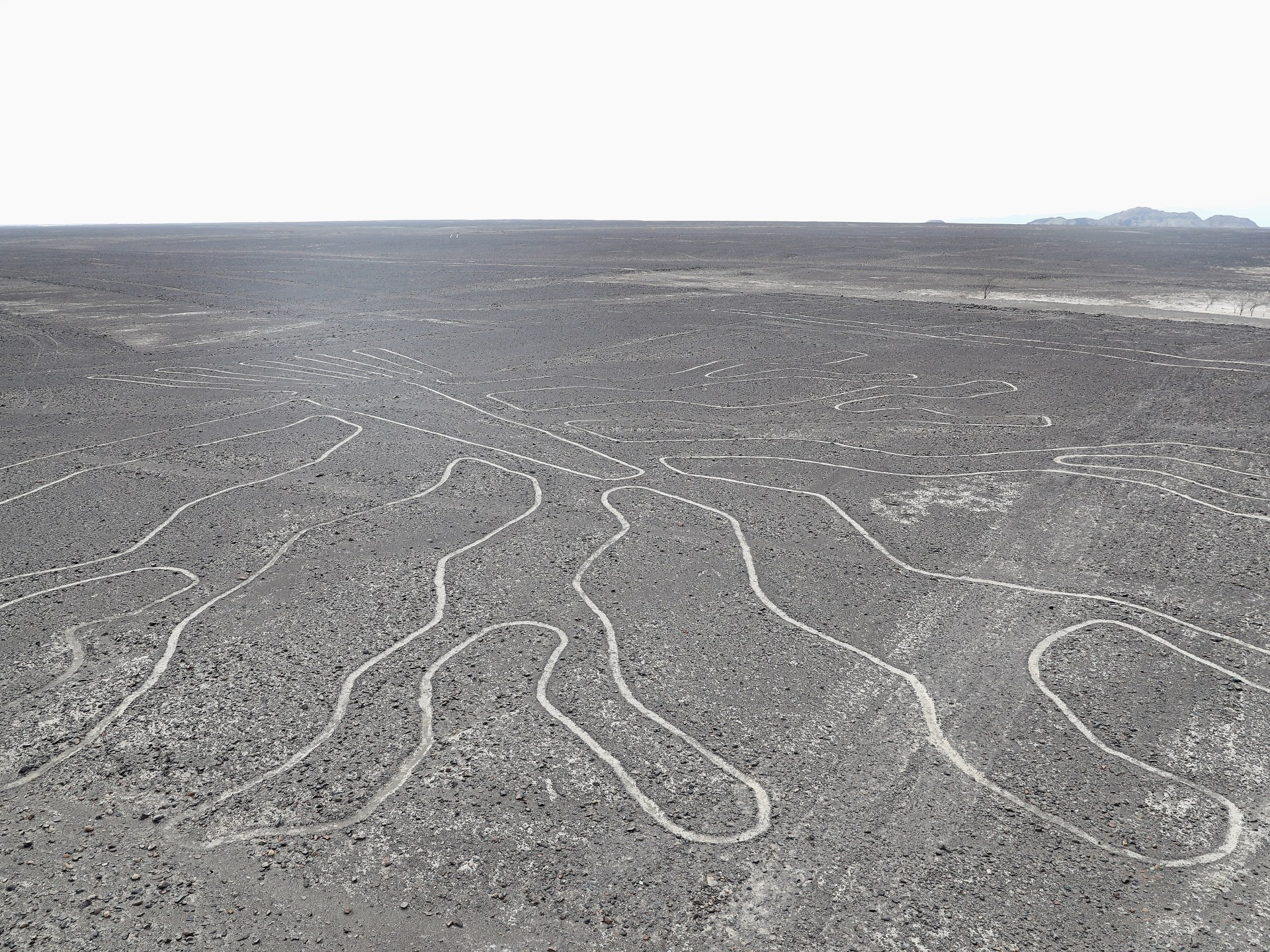
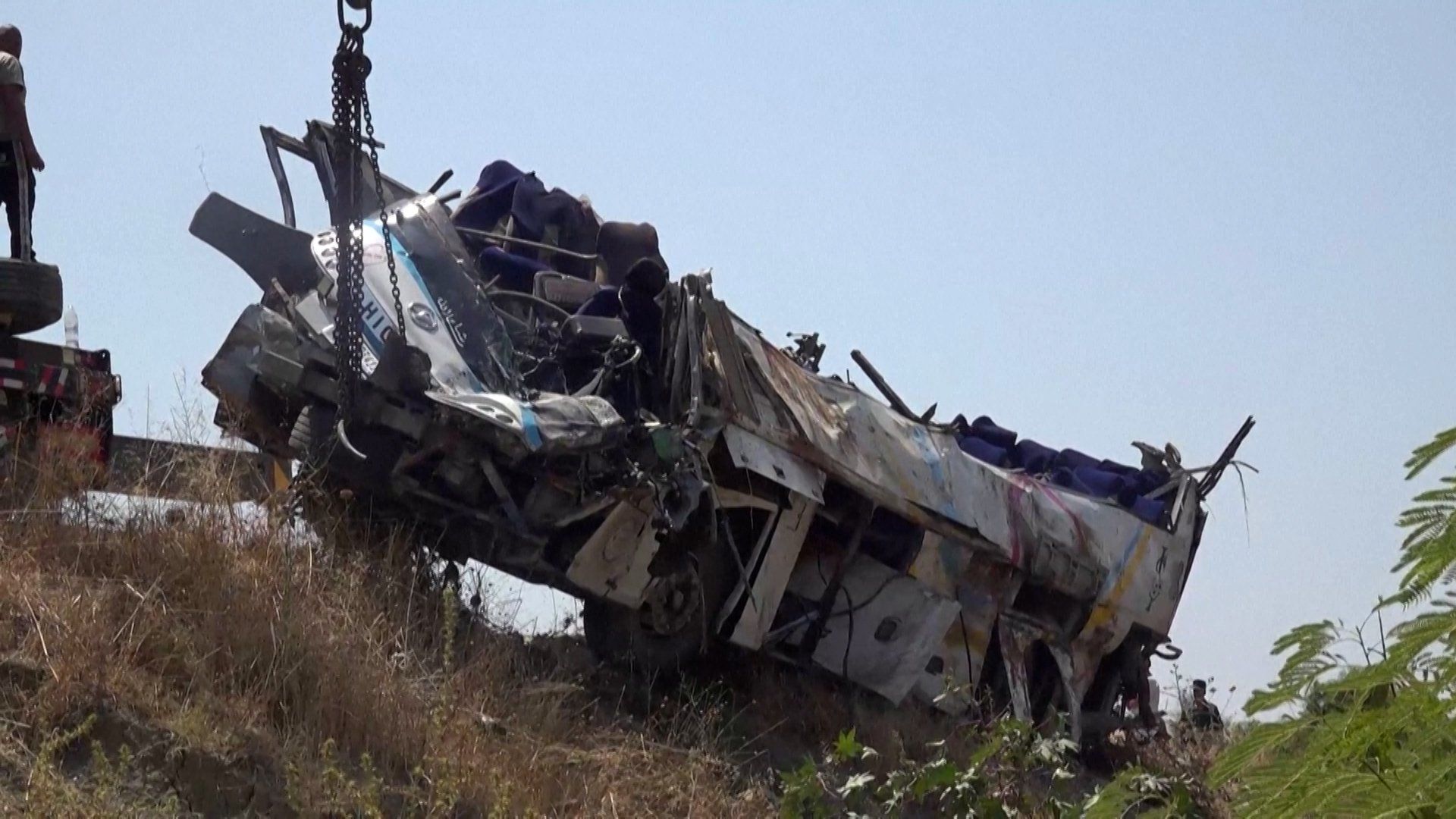
A small plane crash while touring the Nazca Lines in Peru has resulted in 13 fatalities, including tourists and crew.



Subscribe to
our news
Get the most important updates and top stories in your inbox.
