



 World22 Jun 2026
US-Iran Deal: Pakistan's Diplomatic Masterstroke?
Pakistan's role in US-Iran negotiations signifies a new chapter in its diplomatic relations, leveraging ties with China, the US, and Gulf partners.
Pakistan's Role in US-Iran Negotiations
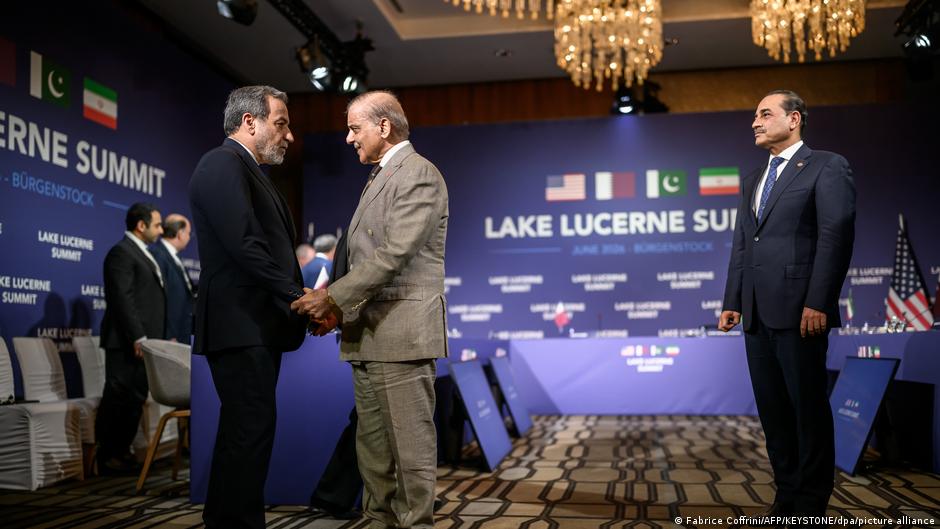
In a notable shift in global diplomacy, Pakistan has stepped into a prominent role as a mediator in the ongoing negotiations between the United States and Iran. This development is not only a testament to Pakistan's diplomatic agility but also highlights its intricate relationships with Tehran, Washington, and crucial regional players like Qatar and Saudi Arabia.
A Strategic Shift in Diplomacy
The diplomatic maneuvers involving Pakistan have garnered praise, particularly for the involvement of key figures such as Army Chief Asim Munir. US officials have recognized Munir's pivotal influence in the talks, marking a significant moment in Pakistan's journey from a regional player to a vital global diplomatic stakeholder.
"Pakistan leveraged its relations with Tehran and its growing ties to Washington, utilizing its network of regional partners like Qatar and Saudi Arabia effectively," noted Farwa Aamer, director of South Asia Initiatives at the Asia Society Policy Institute. Her insights underscore the increasing diplomatic weight that Pakistan holds in this transformative process.
Balancing Relations: Ties with Major Powers
Pakistan's diplomatic strategy is further strengthened by its close ties with China, a relationship that plays a crucial role in supporting its mediation efforts. Chinese support has been vital in ensuring stability in the Gulf region, which is essential for both Beijing's energy security and Pakistan's economic interests. "Pakistan's patient diplomacy was critical in advancing the US-Iran deal, although its long-term impact remains to be seen," said Elizabeth Threlkeld from the Stimson Center.
The complexity of the situation is amplified by Pakistan's balancing act – maintaining good relationships with both the US and Iran while engaging key Gulf partners. This careful orchestration has positioned Pakistan as a trusted mediator in the intense negotiations.
Grassroots Diplomatic Efforts
Intensive diplomatic efforts from Islamabad began as tensions escalated following recent airstrikes against Iran by the US and Israel. Prime Minister Shehbaz Sharif quickly asserted Pakistan's potential as a mediator, reinforcing direct communication with both sides. The government organized several critical meetings, including a significant ceasefire announcement and hosting delegations from both the US and Iran for negotiation sessions.
"The Pakistani government has showcased its capability to act as a credible mediator through direct involvement and consistent communication between the involved parties," remarked a senior diplomatic source familiar with the ongoing talks.
The Role of Regional Partners
Pakistan's mediation efforts have been significantly bolstered by strong support from China and other Gulf States. China, with its vested interests in Iranian stability, has been keen on seeing Pakistan succeed in its diplomatic overtures. Kugelman pointed out that China has played a supportive yet vital role, underscoring the importance of cooperative diplomacy in the region.
Countries like Qatar have also emerged as influential players. With strong incentives to maintain stability in energy markets, Qatar has positioned itself alongside Pakistan as a mediator in the negotiations, showcasing a united front among Gulf states to prevent escalating conflicts.
Beyond Messaging: Direct Involvement
Analysts suggest that Pakistan's involvement extends beyond the traditional messenger role in negotiations. Instead, Pakistan's officials have actively contributed to identifying compromises and generating proposals to facilitate discussions. Asim Munir's leadership has been instrumental, establishing deep connections with key American officials, as noted by Vice President JD Vance, who praised Munir's statesmanship during a recent address.
In conclusion, Pakistan's engagement in the US-Iran negotiations marks a significant diplomatic achievement. This role not only elevates Pakistan's international standing but also demonstrates its capability to navigate complex geopolitical landscapes while balancing relationships with global powers.
Popular news
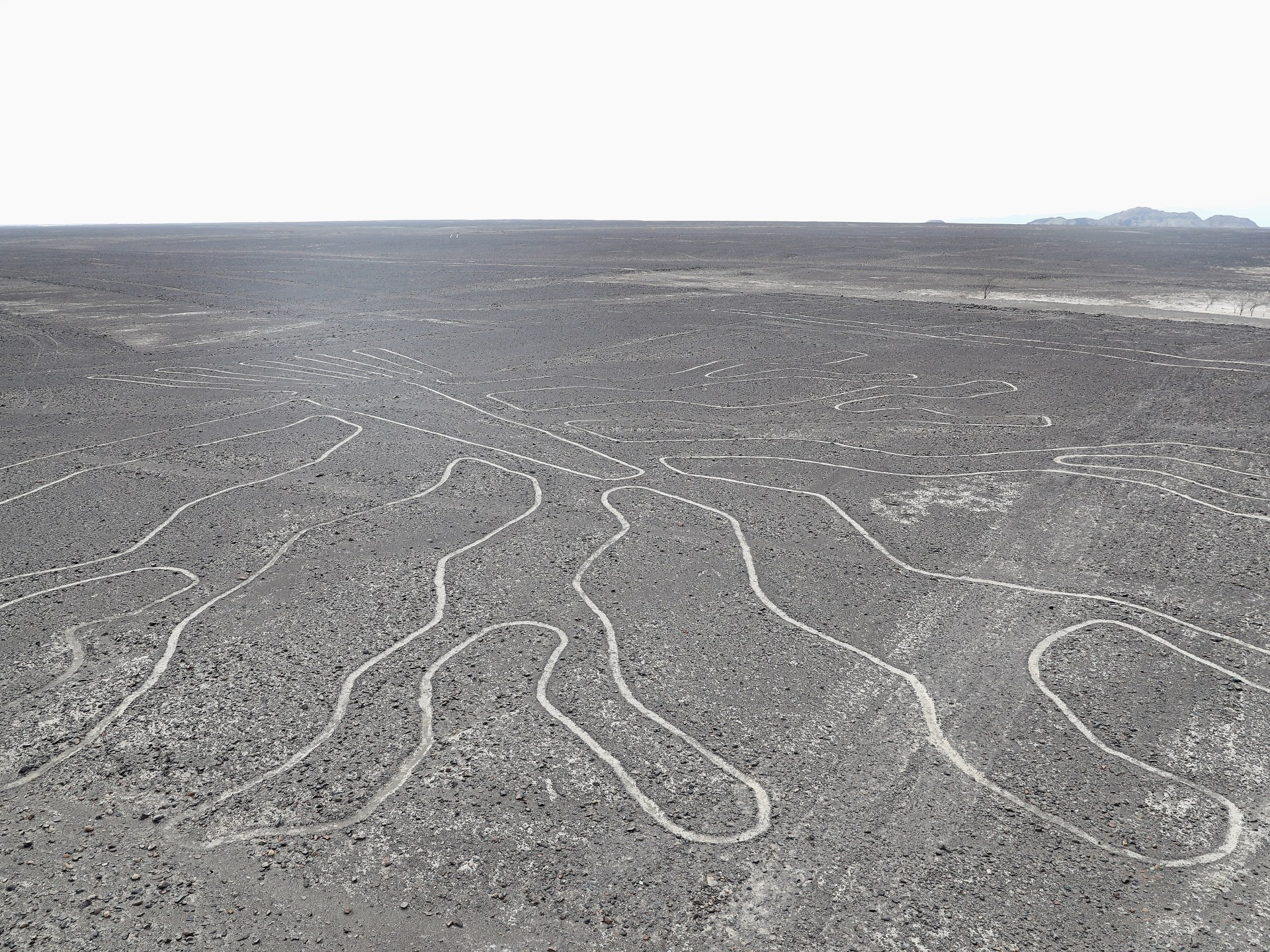
A small plane crash while touring the Nazca Lines in Peru has resulted in 13 fatalities, including tourists and crew.

Subscribe to
our news
Get the most important updates and top stories in your inbox.