




 Business04 May 2026
US Military Takes Action Against Iranian Threats in Strait of Hormuz
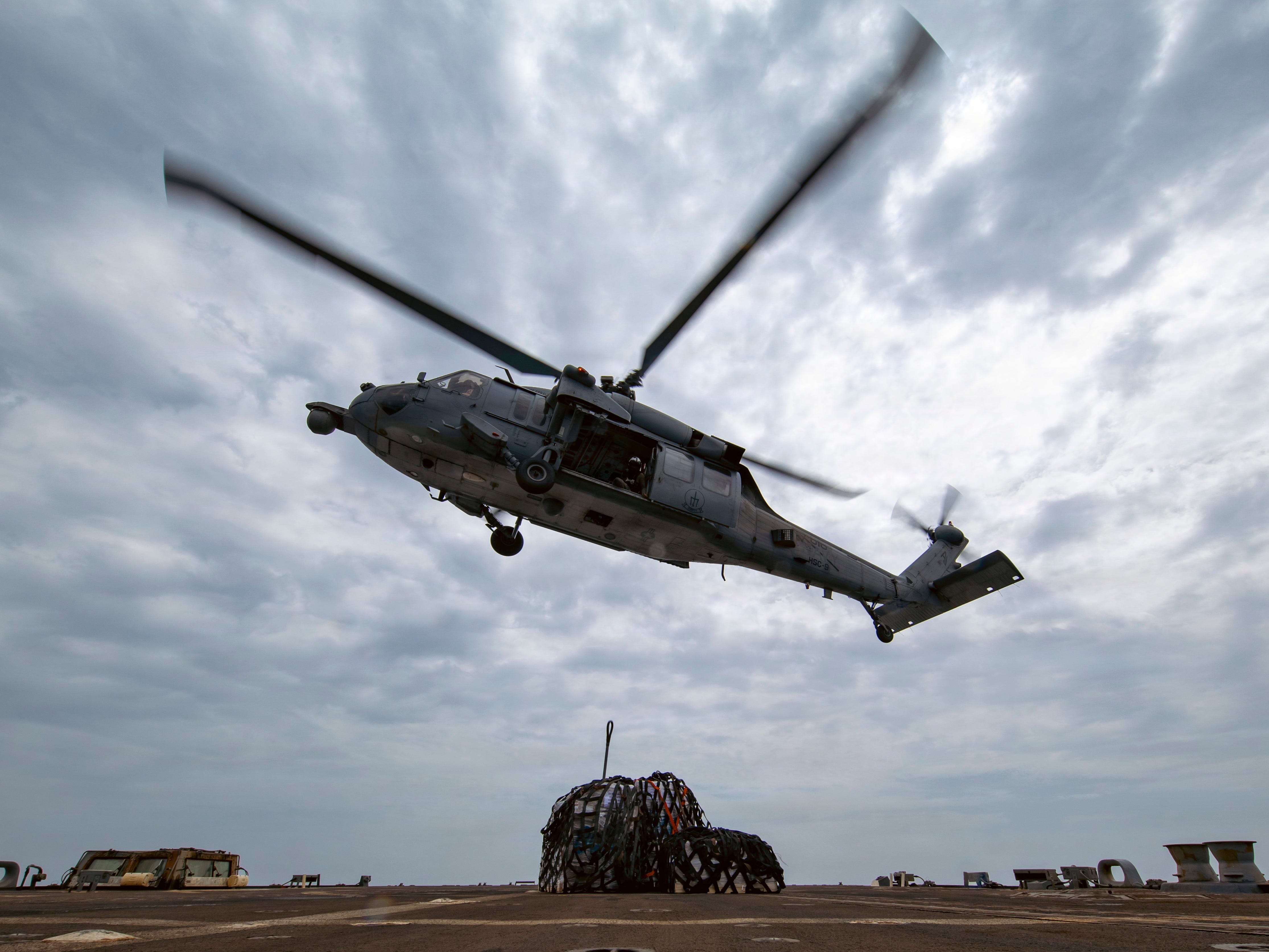
In a decisive move, US helicopters eliminated six Iranian boats targeting vessels in the Strait of Hormuz, aiming for safe shipping lanes.
US Military Operations in the Strait of Hormuz
In a significant military operation, US AH-64 Apache and MH-60 Seahawk helicopters successfully sank six Iranian small boats that posed a threat to commercial shipping in the critical Strait of Hormuz. This action comes amid escalating tensions in the region, as Iran ramps up its military activities against both US and commercial vessels. The operation was confirmed by Admiral Brad Cooper, head of the US Central Command (CENTCOM), during a recent briefing.
Context of the Operation
The Strait of Hormuz, a vital passageway for global oil shipments, has been a hotspot for military confrontations. Recent reports indicate that Iran has been increasingly aggressive, launching missile and drone attacks aimed at US Navy ships and civilian cargo vessels. Despite these hostilities, US forces have been working diligently to protect maritime routes under an initiative known as 'Project Freedom.' This project focuses on ensuring secure passage for shipping through the strait, mitigating various threats including naval mines and attacks from small boats.
Admiral Cooper described the threats faced by US and allied vessels during the operation, noting that several cruise missiles and drones had been launched against commercial shipping. "We have an enormous amount of capability and firepower concentrated in and around the Strait," Cooper stated, emphasizing the swift and effective response of US forces in neutralizing the Iranian boats.
Impact on Iranian Military Activities
Admiral Cooper suggested that the recent engagements reflect a significant degradation of Iran's military capabilities. He pointed out the unusually low number of Iranian boats involved in the attack, stating, "You typically see between 20 and 40 small boats in a pack coming out. Today, we saw six and eliminated them quickly." This reduction, he argued, indicates a weakening of the Iranian armed forces in recent months.
Broader Military Context
The US military has deployed various aircraft to the region, including attack aircraft like the A-10 Warthog and advanced fighter jets such as the F-15 and F-35. These assets, alongside two aircraft carrier strike groups and a Marine Expeditionary Unit positioned in the Persian Gulf, form a robust defensive posture aimed at safeguarding maritime interests. The proactive measures taken by the US are designed not only to repel immediate threats but also to reinforce the security of shipping lanes vital to global trade.
"The cruise missiles were going after both US Navy ships, but mostly after commercial shipping," Cooper elaborated. Fortunately, there have been no reported hits on US military or commercial vessels following these Iranian assaults, though the situation remains fluid and critical for the safety of commercial travel in the strait.
Conclusion: Project Freedom and Safe Passage
As part of 'Project Freedom', the US military is actively guiding vessels that need safe transit through the Strait of Hormuz, emphasizing the importance of maintaining secure shipping routes amidst rising tensions. Admiral Cooper remarked on the success of recent efforts to establish a safer corridor, stating, "We validated that in multiple ways and took the risk by using US-flagged ships to go through first, setting the example."
With ongoing military actions in this strategically vital area, the situation remains dynamic, and US forces continue to monitor and respond to Iranian threats with precision and strength.
Popular news
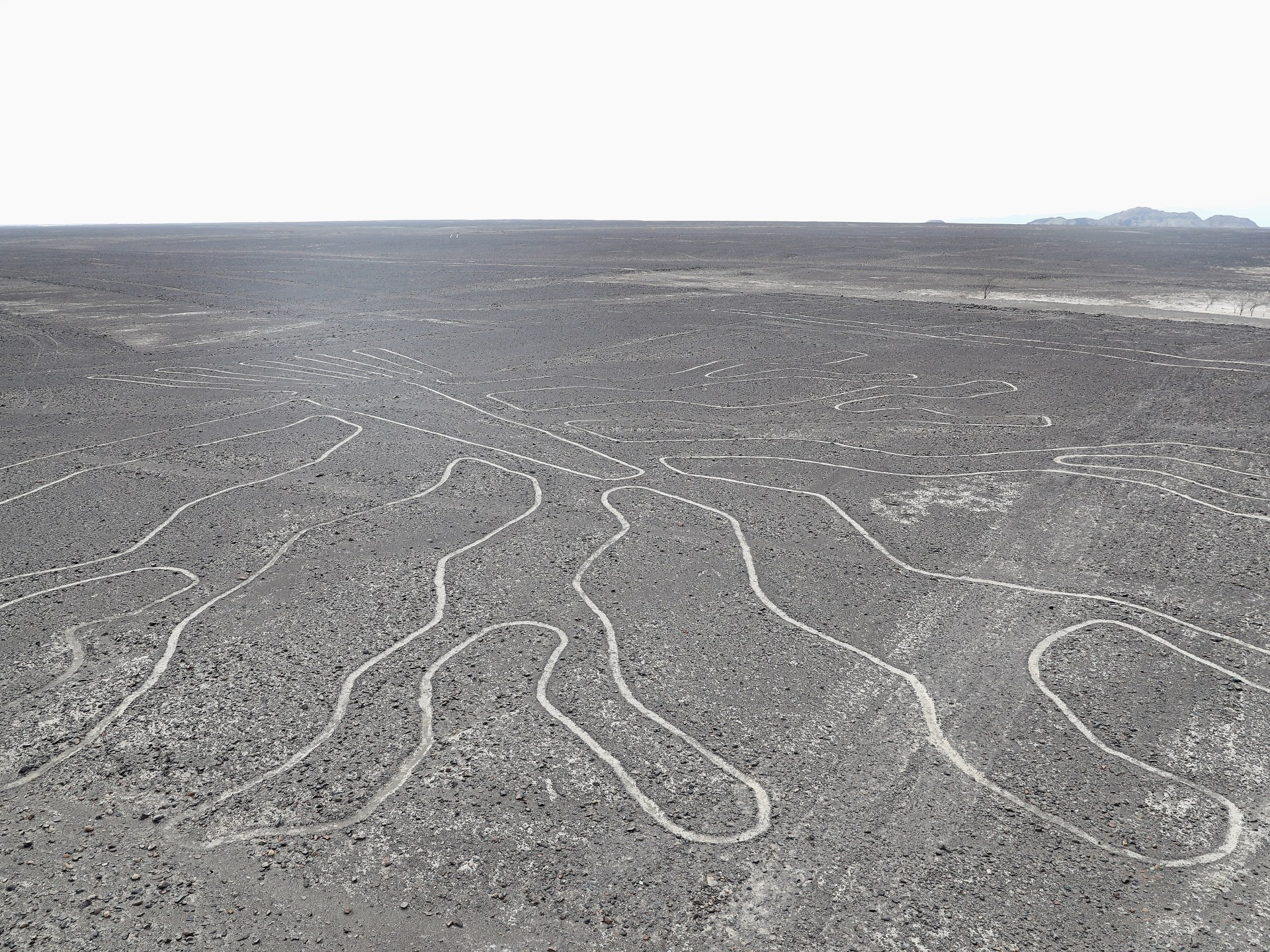
A small plane crash while touring the Nazca Lines in Peru has resulted in 13 fatalities, including tourists and crew.



Subscribe to
our news
Get the most important updates and top stories in your inbox.