 Business19 Apr 2026
US Officials to Engage Pakistan in Iran Conflict Negotiations
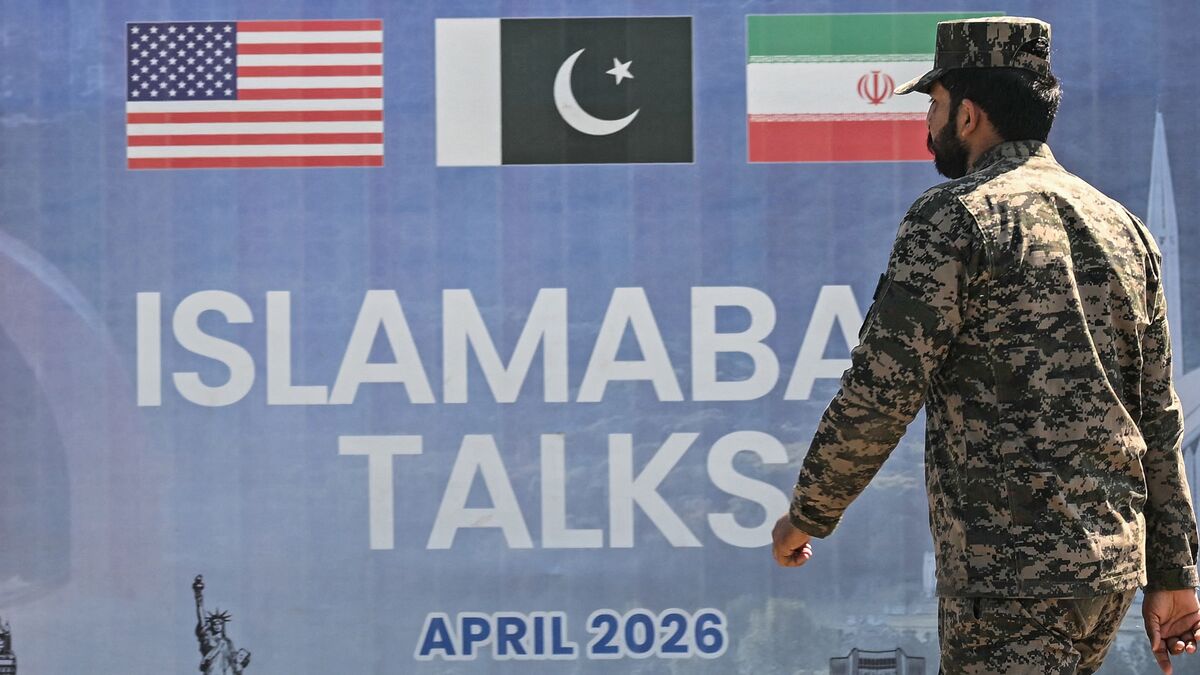
In response to rising tensions with Iran, Trump is sending officials to Pakistan to negotiate, raising the stakes with threats of military action.
US Officials Head to Pakistan Amid Rising Iran Tensions
In a significant diplomatic move, U.S. President Donald Trump announced on Monday evening that he will send representatives to Pakistan to engage in discussions aimed at mitigating the worsening conflict with Iran. This announcement comes amidst escalating tensions, as Trump emphasized that military action against Iranian civilian infrastructure remains a viable option if Tehran does not agree to a diplomatic resolution.
Diplomatic Efforts Under Pressure
The urgency of these discussions reflects a broader strategy to address the ongoing crisis in Iran, which has increasingly strained U.S. relations in the region. According to insights shared during Bloomberg This Weekend by Axios White House Reporter Marc Caputo and Atlantic Staff Writer Nancy Youssef, the stakes have never been higher for U.S. officials as they navigate the complexities of Middle Eastern geopolitics. Caputo noted that the administration's approach is increasingly focused on direct engagement, aiming to facilitate a resolution before tensions escalate further.
Youssef added that the U.S. stance incorporates the potential of military responses, casting a shadow over the diplomatic talks. "There's a constant backdrop of threat that shapes negotiations," she remarked, indicating that the talks in Pakistan will be pivotal in determining the next steps for the U.S. approach.
Context of the Iran Conflict
The ongoing conflict with Iran has been marked by a series of provocations and escalating aggressive postures from both sides. Trump's administration has consistently articulated a hardline approach, which includes stringent sanctions and military posturing. As the U.S. prepares to send officials to Pakistan—strategically allied in the region—the expectation is that these talks will not only address bilateral concerns but also seek to stabilize broader regional dynamics that have been fraught with tension since the U.S. withdrawal from the Iran nuclear agreement.
Analysts suggest that Pakistan's role could be crucial in facilitating dialogue, given its historical ties with Iran and its position as a significant player in South Asian geopolitics. The U.S. will be looking to leverage these connections to induce Iran into serious negotiations.
In light of these developments, U.S. officials face the dual challenge of proving their commitment to diplomacy while also managing an increasingly volatile regional landscape. As the situation evolves, the outcomes from Pakistan could shape future U.S.-Iran relations significantly.
Conclusion
In summary, as U.S. representatives prepare for sensitive discussions in Pakistan amid the standoff with Iran, the weight of potential military action hangs heavily in the air. The coming days will reveal whether diplomatic efforts can lead to a de-escalation or if confrontational tactics will dominate the strategy going forward.
Popular news
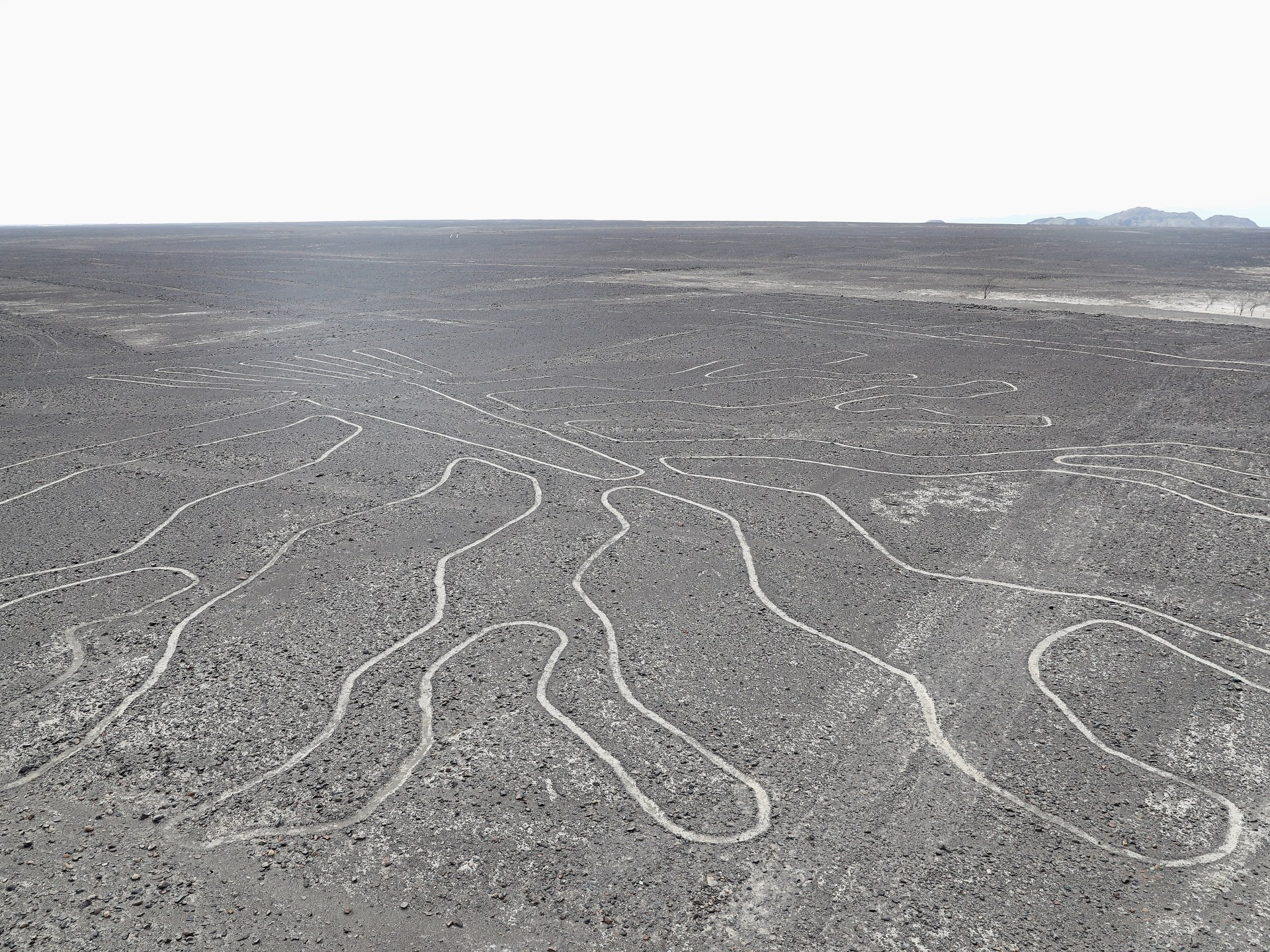
A small plane crash while touring the Nazca Lines in Peru has resulted in 13 fatalities, including tourists and crew.
Subscribe to
our news
Get the most important updates and top stories in your inbox.