 Sport19 Jul 2026
Wenger Comments on Controversial Water Breaks during 2026 World Cup
FIFA's Wenger reveals mixed feedback on water breaks in the 2026 World Cup, citing displeasure from fans and plans for a post-tournament review.
Mixed Reactions to Water Breaks During the 2026 World Cup
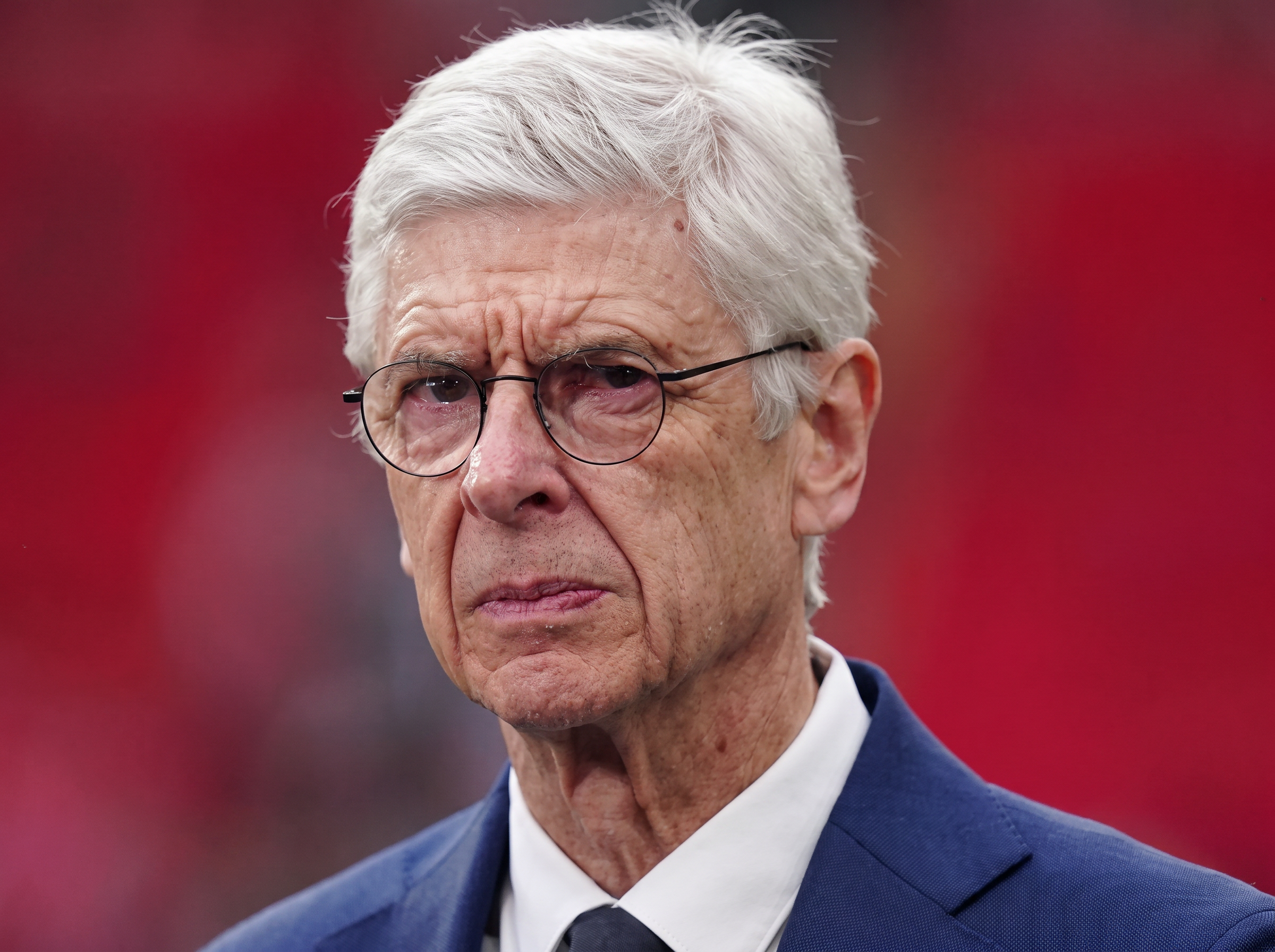
In a recent statement, Arsène Wenger, FIFA’s Chief of Global Football Development, addressed the controversial water breaks implemented during the 2026 World Cup. Despite their intention to protect players' health amid challenging conditions, these breaks have not been well received by fans and will undergo evaluation after the tournament concludes.
Purpose and Implementation of Water Breaks
FIFA had mandated periodic three-minute water breaks in each half of all matches, regardless of weather conditions, with the goal of ensuring player safety across the tournament venues in the United States, Mexico, and Canada. Wenger commented, "The water breaks did not seem to please the fans, and we will analyze their impact post-World Cup."
This initiative aimed to combat the health risks posed by high temperatures and humidity levels, especially in outdoor stadiums. However, as Wenger pointed out, reactions were mixed. Many spectators expressed dissatisfaction, with instances of booing observed during matches.
Coaches' Views and Fans' Dissatisfaction
While some coaches criticized the breaks for disrupting the natural flow of the game, others supported them for their potential benefits to player welfare. Luis de la Fuente, the Spanish national team coach, openly endorsed the breaks, highlighting their importance for athlete health. Conversely, figures like Thomas Tuchel, the England coach, remarked that these stops alter the intrinsic nature of the game.
Furthermore, fans at several covered stadiums voiced their discontent, signaling that the interruptions were unwelcome. Wenger acknowledged that in specific venues, the audience had reacted negatively, indicating a need for further analysis on audience engagement and preferences.
Commercial Exploitation of Water Breaks
In an interesting twist, it was noted that commercial broadcasters leveraged these mandatory breaks to air advertisements, with the cost of a 30-second spot during some matches reaching hundreds of thousands of dollars. This commercialization has led to water breaks resembling timeouts in other sports, providing coaches with a moment to give tactical instructions to players.
Wenger concluded by underscoring the success of expanding the tournament to include 48 teams, describing it as a correct decision that has yielded positive results. While the water breaks were intended to protect players’ health, the backlash from fans suggests a clear need for reassessment and potential changes in future tournaments.
As the tournament progresses, all eyes will be on FIFA to see how they respond to this feedback and whether any adjustments will be made to enhance the spectator experience in subsequent matches.
Popular news
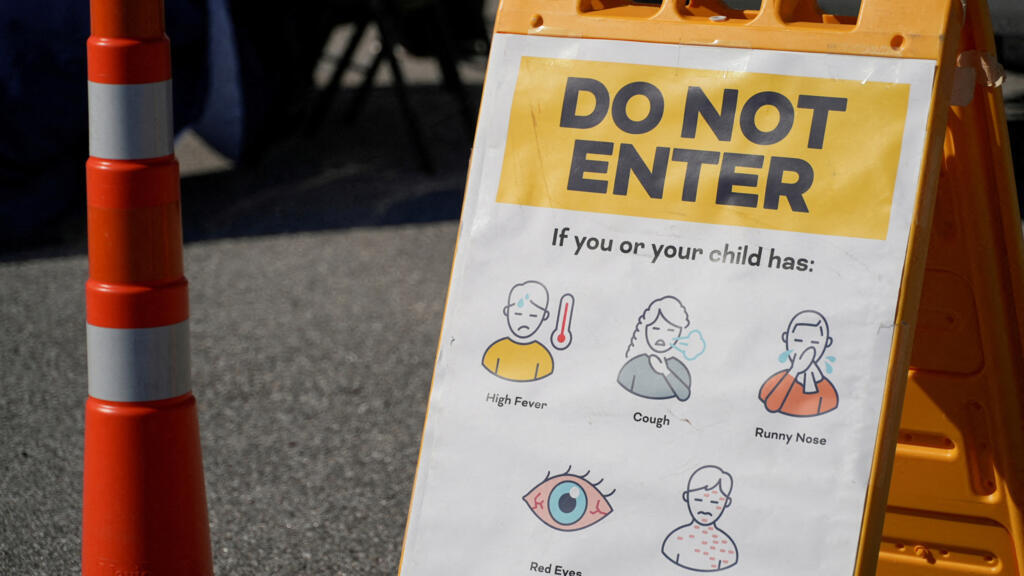
New York has declared a disaster emergency over rising measles cases, especially among under-immunized populations, with 108 confirmed cases.

Subscribe to
our news
Get the most important updates and top stories in your inbox.