




 Business01 Aug 2026
Why Apple TV’s ‘Severance’ Resonates with Modern Employees Returning to Office
Apple TV's 'Severance' mirrors the frustration of workplace identity and autonomy, resonating with employees returning to the office.
Introduction
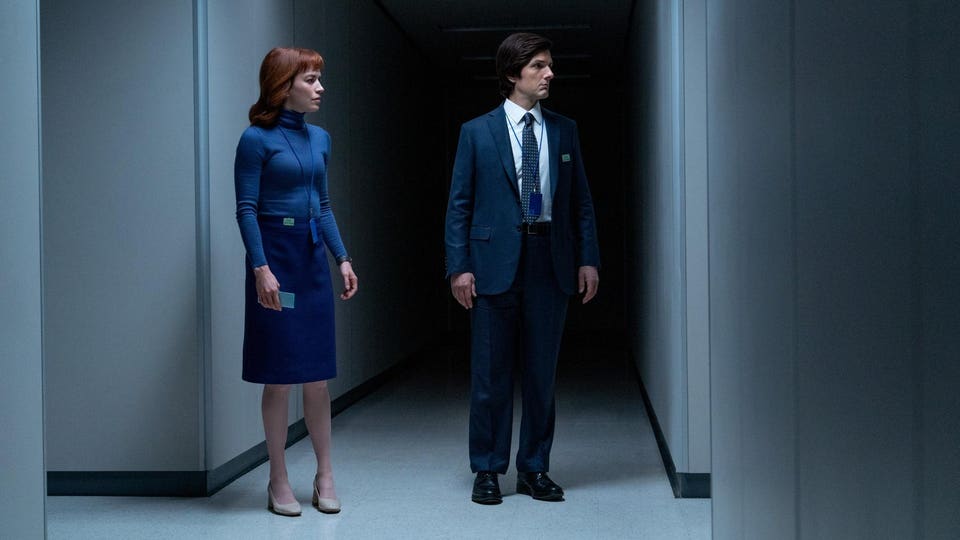
Apple TV's acclaimed series, ‘Severance’, has begun filming its third season, capturing the complex dynamics of modern work environments. The show, created by Dan Erickson, has garnered widespread acclaim and numerous awards for its clever portrayal of workplace challenges, including issues of identity, purpose, and bureaucracy. As employees navigate the transition back to office life, ‘Severance’ has emerged as a striking reflection of their experiences and concerns.
Identity Crisis at Work
The Duality of Self
At its core, ‘Severance’ delves into the struggle between one's identity at home versus at work. In an increasingly polarized work culture, a significant portion of employees—62% according to research—feel compelled to hide their true selves in the workplace. This often leads them to suppress their natural personalities and emotions to meet corporate expectations.
In the show's satirical yet poignant narrative, characters grapple with this divide, reminiscent of the experiences faced by many individuals who feel they must compartmentalize their identities. The severe work-life separation portrayed in ‘Severance’ hinders personal growth and stunts authentic relationships among colleagues. Studies have shown that when employees share personal aspects of their lives at work, it fosters stronger team dynamics and enhances cooperation, underscoring why a safe space for open dialogue is essential in today’s workplace.
The Search for Meaning
The series introduces viewers to Mark S. (played by Adam Scott), who, alongside his colleagues Dylan (Zach Cherry), Irving (John Turturro), and Helly (Britt Lower), works in a peculiar department where the significance of their tasks remains a mystery. This disconnect is not unfamiliar to many real-world employees who often question the relevance of their roles in the greater organizational mission. Mark's iconic outburst—"What is it we actually do here?"—strikes a chord with those who feel their work lacks intrinsic value. The craving for purpose is a primary driver of employee engagement, making the characters’ feelings of disconnection deeply relatable to the audience.
Navigating Bureaucracy
The Weight of Red Tape
In ‘Severance’, the workplace is dominated by rigid rules and layered approvals, highlighting a common frustration many employees face: bureaucracy can feel more powerful than people. This operational dynamic often leads organizations to create systems that employees feel they must serve, rather than the other way around. Overbearing processes can transition into barriers that hinder decision-making and diminish the sense of autonomy.
The show vividly illustrates how excessive rules and protocols can suffocate creativity and impact productivity. Each bureaucratic layer adds friction, discouraging innovation and engagement, a reality that resonates with professionals who yearn for efficiency and empowerment.
A Call for Autonomy
As the series unfolds, it becomes evident that the employees of Lumon are meticulously monitored, reflecting a culture of micromanagement. Their every move is scrutinized, and their autonomy is stifled. In contrast, today’s workforce increasingly seeks flexibility and ownership over their contributions. Effective leadership emphasizes trust, enabling employees to take charge of their work rather than merely comply with rigid oversight.
‘Severance’ offers a stark portrayal of the consequences of a work environment steeped in distrust, urging organizations to recognize the importance of granting employees the freedom to make choices that align with their responsibilities.
Conclusion
While ‘Severance’ takes workplace dysfunction to an extreme, its resonance with audiences speaks volumes about current employee sentiments regarding identity, purpose, and autonomy in the office. The series prompts viewers to reflect on their own work experiences and the ongoing question: how much of oneself must be sacrificed in the name of professional duties? The show’s success lies in its ability to challenge conventional workplace norms and empower individuals to advocate for their authentic selves within their working environments.
Popular news
A small plane crash while touring the Nazca Lines in Peru has resulted in 13 fatalities, including tourists and crew.





Subscribe to
our news
Get the most important updates and top stories in your inbox.