





 World30 May 2026
Women Bear the Brunt of DRC’s Ebola Outbreak
The Ebola outbreak in the DRC is disproportionately impacting women, primarily caregivers facing serious health risks amid funding cuts.
Rising Impact of Ebola on Women in DRC
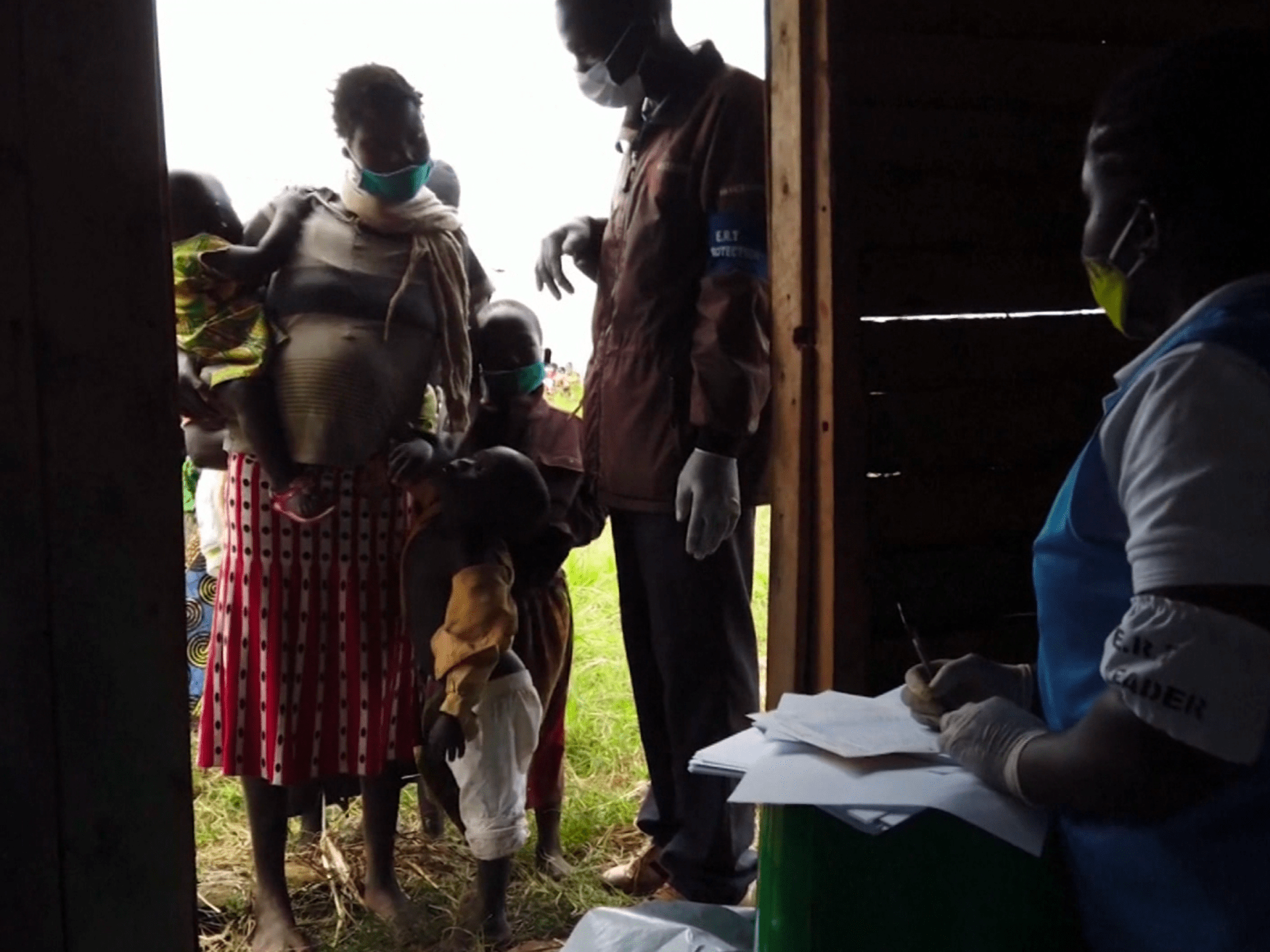
The ongoing Ebola outbreak in the eastern Democratic Republic of the Congo (DRC) is exposing the stark realities faced by women, who are bearing the brunt of this public health crisis. As reported by Al Jazeera's Imogen Kimber, these women, often responsible for caring for both the sick and the deceased, are on the front lines of the epidemic. This crucial role presents them with heightened risks, not only of exposure to the virus but also due to dwindling resources and insufficient protective gear.
Caregivers Under Siege
Women in the DRC are integral to the healthcare system, often taking on unofficial roles as caregivers in their communities. Despite their vital contributions, they find themselves at greater risk during the ongoing outbreak. A shortage of protective equipment has significantly compromised their safety, as they navigate between attending to patients and handling the deceased.
In many areas, funding cuts have further crippled healthcare efforts, leaving these women without necessary support. The challenges they face are daunting, including limited access to medical supplies and protective resources that are critical for their health and safety.
The Societal Burden
The societal implications of the ebola outbreak extend beyond the immediate health risks that women face. Traditional gender roles often position women as the primary caregivers in their families, which means that their wellbeing is paramount for the functioning of households. When women fall ill, it not only affects their health but also jeopardizes the care provided to others, including children and elderly family members.
Community Response and Support
Efforts to address the situation are underway, but they require urgent attention and international collaboration. Health organizations are encouraged to prioritize women’s health needs, ensuring that frontline caregivers receive adequate training and resources to protect themselves while they serve others. Addressing the funding gap is essential to equip these women with the necessary protective gear.
As the DRC battles the impact of the Ebola outbreak, the resilience and dedication of women caregivers must be recognized and supported. Their role is critical in managing this epidemic, and empowering them with the right resources can make a significant difference in combating the disease.
In conclusion, the ongoing outbreak not only highlights the vulnerabilities faced by women in the DRC but also calls for a comprehensive approach to ensure their safety and well-being amidst this crisis.
Popular news
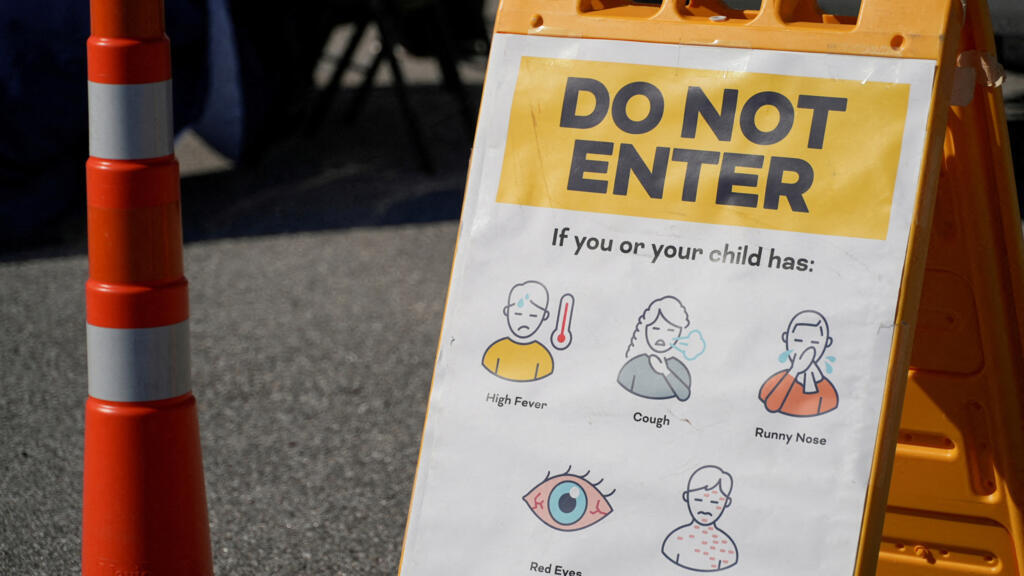
New York has declared a disaster emergency over rising measles cases, especially among under-immunized populations, with 108 confirmed cases.


Subscribe to
our news
Get the most important updates and top stories in your inbox.
