




 World21 May 2026
AI-Generated Team Songs Take Center Stage Ahead of World Cup
Fans are generating AI-created songs that rival FIFA's official anthems, igniting discussions on copyright and artist compensation.
Rise of AI-Generated Team Anthems
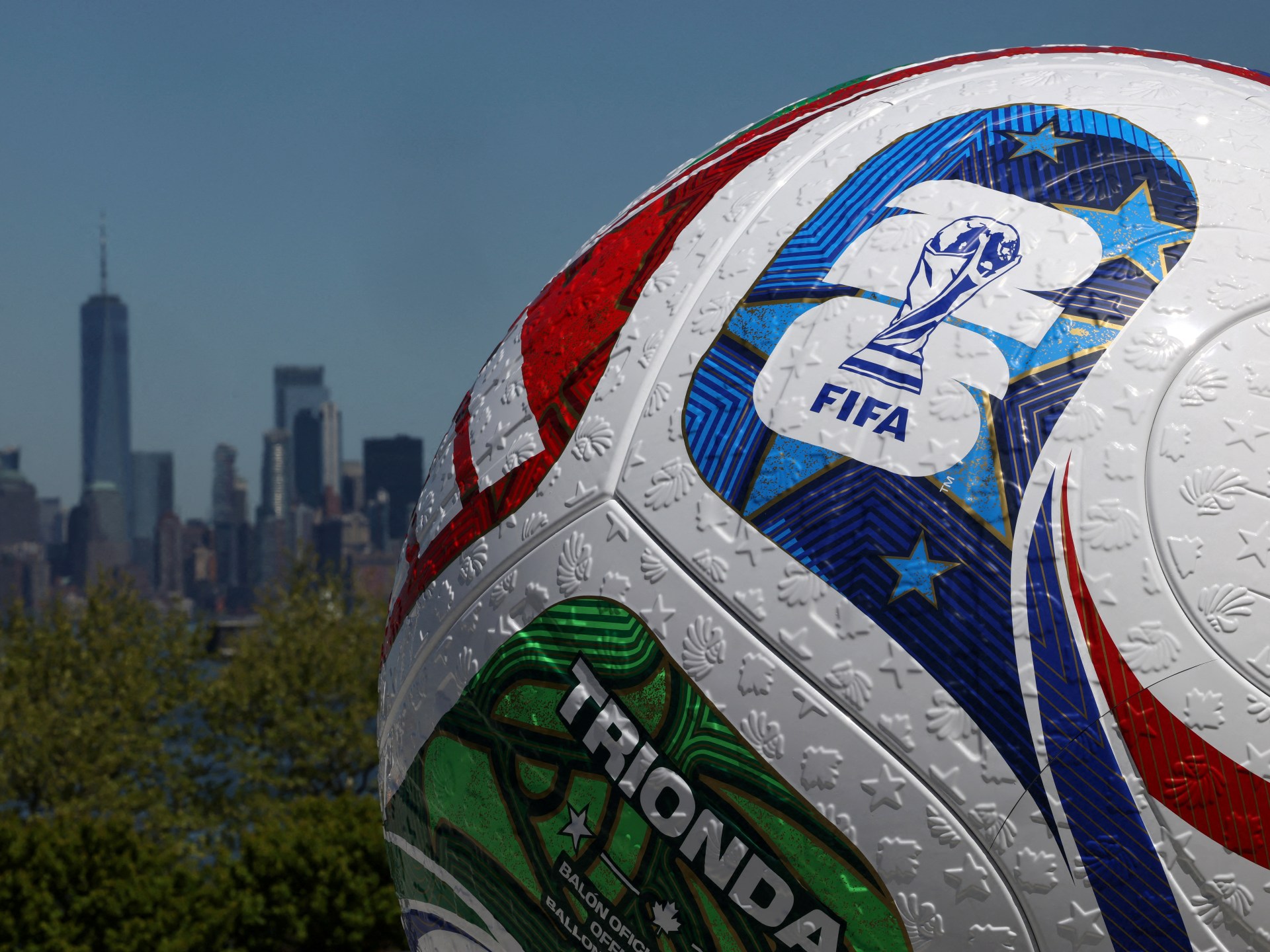
As the World Cup approaches, fans are increasingly turning to artificial intelligence to create catchy team songs, with many of these AI-generated anthems amassing millions of views on platforms like YouTube, TikTok, and Instagram. This trend poses a significant challenge to traditional songs commissioned by FIFA, leading to important discussions surrounding copyright, artist compensation, and the essence of creativity in music.
A New Trend Initiated by Fan Enthusiasm
The phenomenon of AI-generated football anthems kickstarted earlier this year with the release of a song titled “Imbattables,” dedicated to the French national team by Crystalo, an artist self-identified as France's premier AI musical creator. The song effectively combines a call-and-response format listing famous players like Kylian Mbappé, serving as a passionate rallying cry for fans. This template quickly resonated with supporters from other nations, inspiring similar creations.
A notable example is the Brazilian anthem, produced by Guilherme Maia, known as M4IA, which incorporated elements from the original French song and utilized unique AI-assisted production techniques to establish a modern phonk melody. Following this, an array of songs emerged from various countries like Portugal, Argentina, and Germany, often mimicking the established patterns of repetitive player name chanting alongside catchy beats.
Advantages and Critiques of AI in Music
While many fans report enjoying these catchy tunes, preferring them over official FIFA anthems produced by established musicians like Jelly Roll and Carin Leon, the increasing popularity raises critical questions about artistic integrity. Industry experts have expressed concern over the implications of AI in music production, particularly regarding copyright and the ownership of the derived works.
“For music, clear rules exist,” commented Maia, who emphasized that while AI functions as a creative assistant in his work, it cannot replace the need for ownership and originality in art. Jason Palamara, a music technology professor, reiterated the uncertainty surrounding credits and royalties when copyrighted music is used to train AI models.
Balancing Enjoyment with Artistic Complexity
Despite concerns over artistic quality and complexity—attributes that some experts claim are often lacking in AI-generated music—many listeners seem unconcerned about these potential shortcomings.
Morgan Hayduk, co-CEO of music rights software company Beatdapp, suggested that many fans are simply looking for anthems they can enjoy and rally around during matches. “There seems to be a cohort of people who actually don’t care,” Hayduk noted, highlighting a growing acceptance of AI-generated songs being integrated into fan culture.
As the tournament looms, it is clear that the intersection of technology and creativity has found a unique space in the football community, sparking discussions about how the music industry will adapt to this new wave of innovation, setting the stage for a World Cup unlike any other.
Popular news
65% of Latin Americans view China's influence positively, surpassing the US at 57%. US perceptions decline amid military actions in the region.


Subscribe to
our news
Get the most important updates and top stories in your inbox.