




 Business09 Jun 2026
Coal Chimneys Fall as Australia Shifts Towards Renewables
The demolition of coal chimneys at Liddell signals a new era as Australia moves towards renewable energy sources, with significant implications for the mar
Liddell Coal Power Plant Demolished
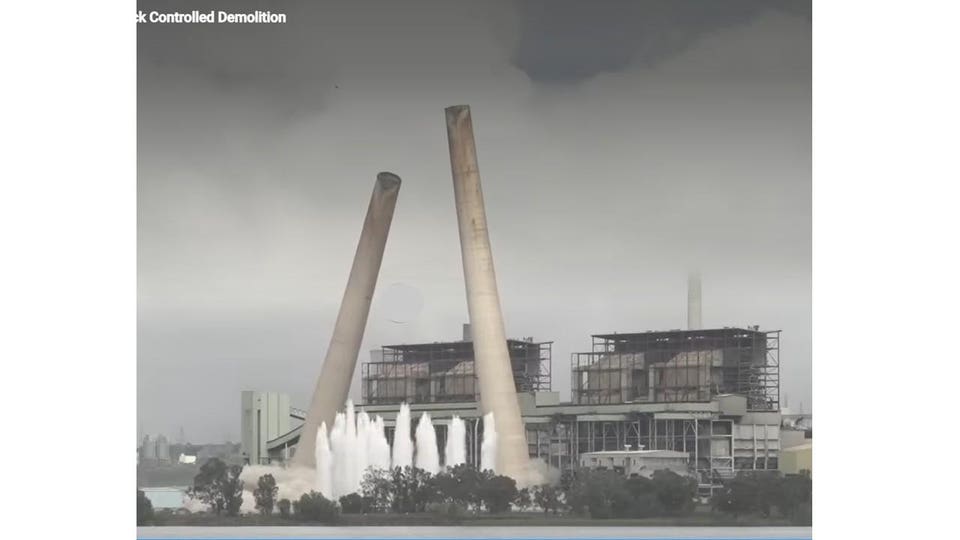
In a landmark moment for Australia’s energy landscape, two massive chimney stacks from the Liddell coal power plant were demolished last month. This marked the first step in the decommissioning process of the facility, which has been offline since 2023 and is located approximately three hours north of Sydney in Muswellbrook. The plant, which boasted an output of 2,000 megawatts since its opening over five decades ago, is being dismantled as part of a broader transition towards renewable energy sources.
AGL Energy’s Transition Plan
AGL Energy, the operator of Liddell and one of Australia’s largest energy providers, is currently shifting its focus away from coal-fired power generation. This transition comes as the utility company plans to retire its remaining coal-fired plants—Bayswater in New South Wales by 2033 and Loy Yang A in Victoria by 2035. In place of fossil fuels, AGL is investing in renewable energy projects, including the development of wind, hydro, and grid-battery systems.
After the complete demolition of the Liddell site, plans include transforming it into the Hunter Energy Hub, featuring a 500 MW grid-scale battery that has already started operations earlier this year, along with a proposed pumped hydro storage project designed to bolster energy reliability.
Economic Opportunities and Challenges
The transition creates significant opportunities for the local economy. Muswellbrook Mayor Jeffrey Drayton noted an influx of interest from over 40 businesses interested in renewable energy manufacturing, agribusiness, and recycling industries.
However, the path toward a cleaner energy future is fraught with challenges. With more than half of Australia’s electricity now sourced from renewables, prices are projected to decrease, but experts assert that equipment shortages, rising construction costs, and permitting delays may impede further advancements in the sector.
National Context of Coal Transition
Australia is currently the world’s largest coal exporter, generating between $43-55 billion in revenues primarily from markets such as Japan, China, India, and South Korea. Coal has historically been a cornerstone of the Australian electricity market; however, in recent months, over 50% of the nation’s main electricity grid has been powered by renewable sources, a significant milestone in the country’s energy transition.
As the market shifts, there are expectations that electricity prices will decline following steep drops in wholesale costs. However, analysts caution that the anticipated closures of older coal plants could result in price volatility if not managed effectively, disrupting the current energy market dynamics. AGL has plans to develop a total of 12 GW of renewable energy projects within the next decade, signaling a robust commitment to a greener energy future.
Conclusion
This pivotal moment at the Liddell coal power plant is emblematic of a significant shift in Australia’s energy policy and market. As AGL Energy takes strides to incorporate sustainable practices, the resurgence of interest in renewable industries could breathe new life into the local economy, provided that the potential bottlenecks in the transition can be addressed.
Popular news
New York has declared a disaster emergency over rising measles cases, especially among under-immunized populations, with 108 confirmed cases.





Subscribe to
our news
Get the most important updates and top stories in your inbox.