




 Sport10 Jun 2026
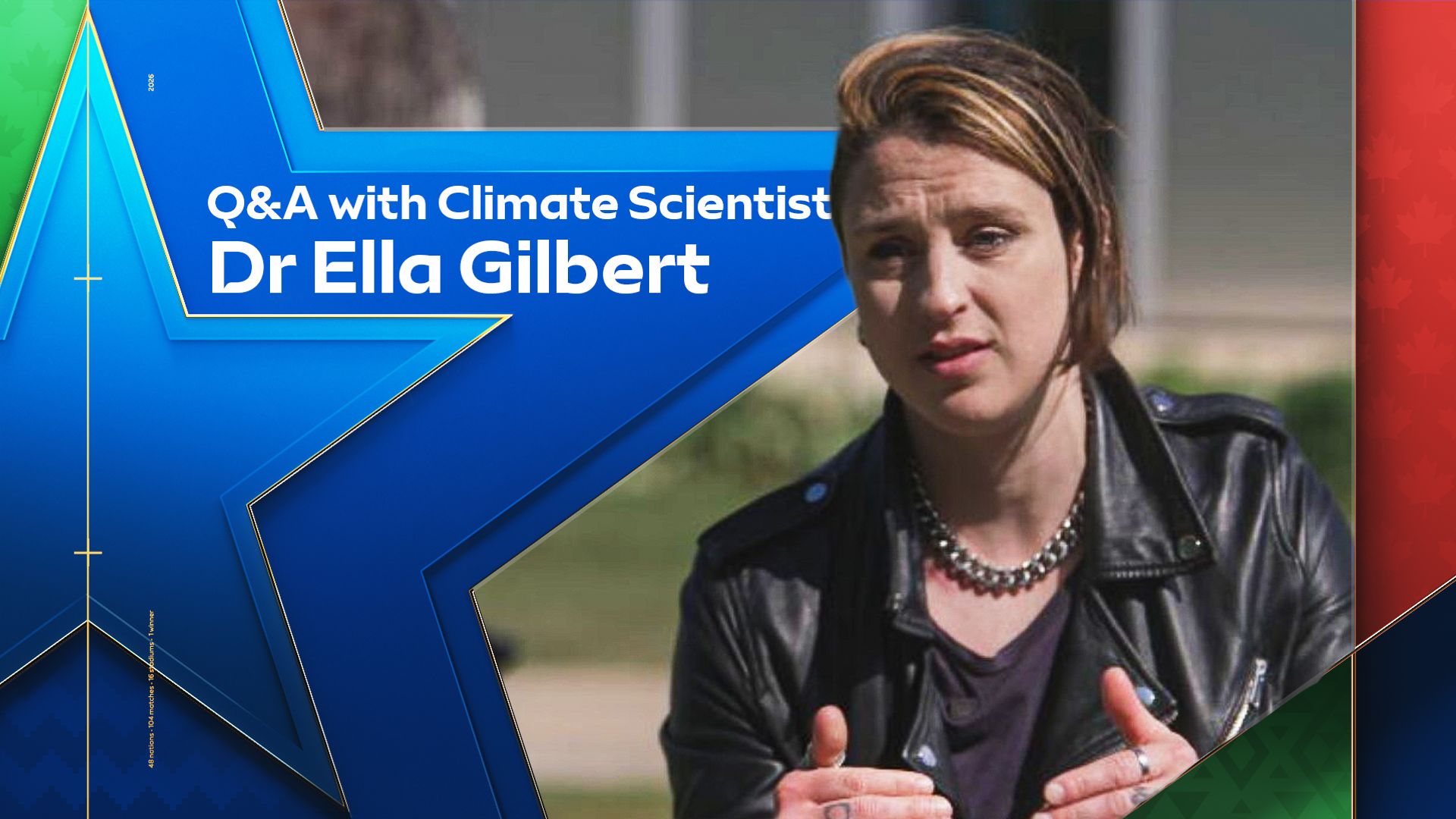
El Niño's Impact on World Cup 2026: Insights from Climate Scientist Dr. Ella Gilbert
Rising global temperatures pose significant risks to player performance at the 2026 World Cup, warns climate scientist Dr. Ella Gilbert.
Understanding the Climate Challenges for World Cup 2026
As excitement builds for the 2026 FIFA World Cup, hosted by the USA, Canada, and Mexico, concerns are rising regarding the impact of climate change on the tournament. In an insightful discussion, climate scientist Dr. Ella Gilbert outlined significant issues related to extreme weather conditions that could affect the matches, informed by recent research from Climate Central.
Extreme Heat and Humidity Risks
Dr. Gilbert revealed alarming findings regarding match conditions. Research indicates that 97 out of 104 matches could encounter performance-impairing weather, particularly temperatures exceeding 28°C, which is known to negatively impact player performance. Currently, global temperatures sit at approximately 1.55°C above pre-industrial levels, significantly higher than in 1994 when the USA last hosted the World Cup.
"It was already a hot year in 1994, but conditions have changed dramatically since then. Now, we are witnessing more frequent and intense heatwaves, which will drastically affect player conditions on the pitch," Dr. Gilbert emphasized.
The Power of El Niño
The phenomenon of El Niño, a periodic weather pattern characterized by elevated ocean temperatures, is expected to further influence the tournament weather in 2026. Dr. Gilbert explained that El Niño events lead to varied climatic impacts across regions. While it usually means warmer and drier conditions for the northern US and southern Canada, it also increases rainfall in southern states.
"With every degree of warming in the atmosphere, we see a 7% increase in moisture. This shift under El Niño can result in more intense and sudden downpours, potentially interrupting matches," she noted.
Future Considerations for Summer Tournaments
As climate conditions evolve, questions arise about the future of hosting summer tournaments in North America. Dr. Gilbert indicated that while some venues might adapt with air-conditioned stadiums, it doesn't eliminate the overall risk of extreme weather events.
"Adaptations are critical, but if the costs outweigh the benefits of hosting in such conditions, it may become necessary for FIFA to reassess when and where World Cups are held in the future," she explained.
Long-term Projections and Preparations
Looking forward, Dr. Gilbert warned of a pressing reality by 2050. Depending on global actions taken today regarding greenhouse gas emissions, World Cup conditions could become significantly more challenging.
"By limiting our emissions now, we can curtail some of the impending changes. If not, expect more extremes, whether it be in temperature, moisture, or storm intensity, making future tournaments more unbearable for players and fans alike," she cautioned.
As we anticipate the World Cup's kickoff on June 11, 2026, the discussion surrounding climate impacts highlights the urgent need for ongoing awareness and adaptation in sports and society at large.
Popular news
New York has declared a disaster emergency over rising measles cases, especially among under-immunized populations, with 108 confirmed cases.


Subscribe to
our news
Get the most important updates and top stories in your inbox.