




 World08 Jun 2026
France and Germany Cancel Joint Fighter Jet Project, Dashing EU Defense Hopes
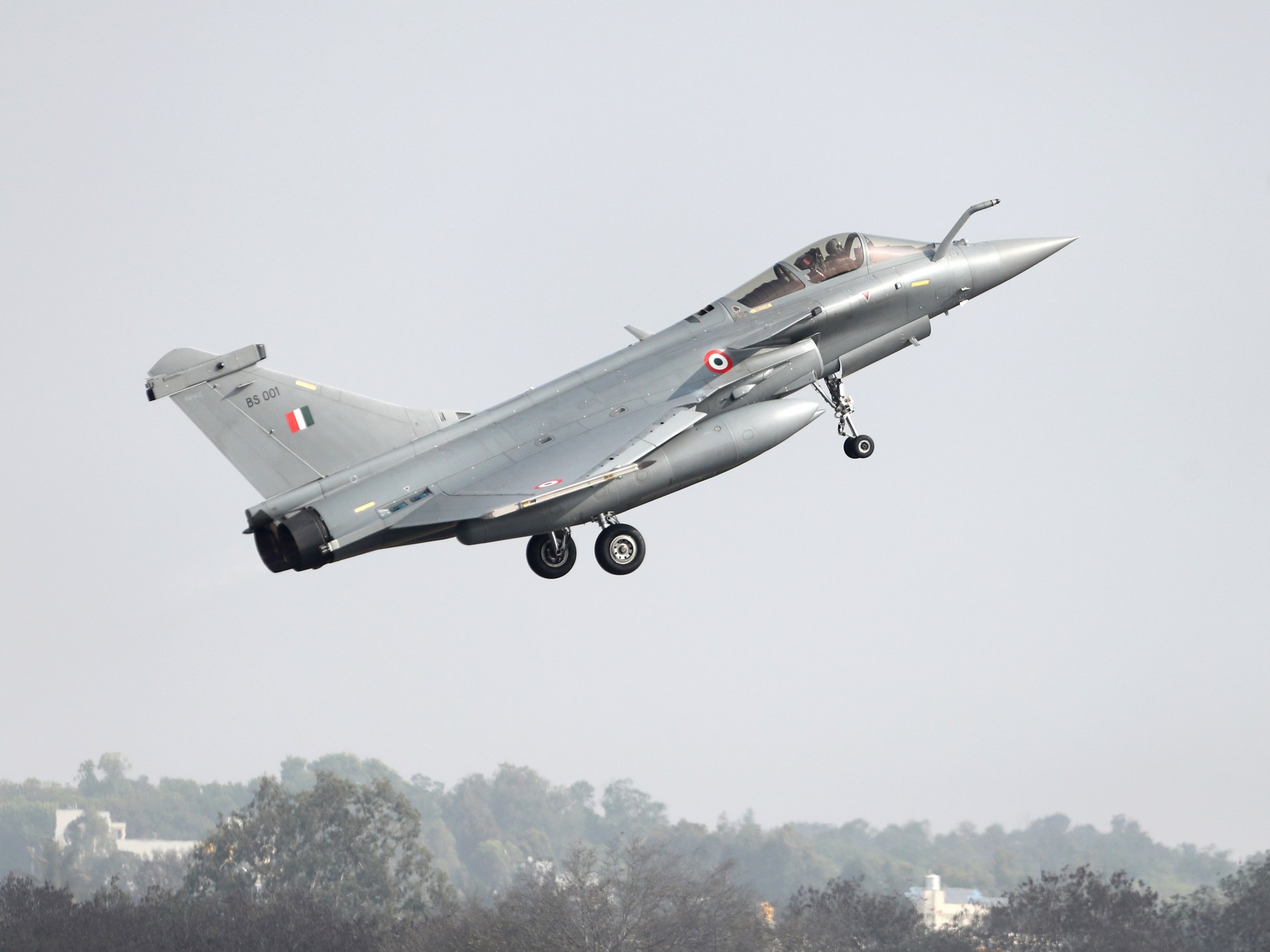
France and Germany abandon their sixth-generation fighter jet project, FCAS, in a blow to EU defense collaboration amid rising global tensions.
France and Germany Abandon FCAS Project
In a significant setback for European defense collaboration, France and Germany have officially canceled their ambitious joint project to develop a sixth-generation fighter jet, known as the Future Combat Air System (FCAS). This decision, announced by the office of French President Emmanuel Macron, stems from persistent disagreements between major players involved in the development, notably Dassault Aviation for France and Airbus for Germany and Spain.
Implications of the Cancellation
The projected $116 billion program aimed to deliver new fighter jets integrated with advanced drones and secure data systems by 2040. However, following lengthy negotiations, the two nations could not reconcile their interests, particularly concerning project leadership and control.
The failure of the FCAS project is viewed as a significant blow to collaborative military efforts in the European Union, which has been increasingly pressured by the uncertainty surrounding U.S. defense commitments to NATO. As President Trump has questioned the reliability of the U.S. defense promises to its allies, concerns are mounting within Europe regarding their military autonomy.
Rising Tensions and Defense Independence
The decision to terminate FCAS is a reflection of broader anxieties surrounding military independence in Europe. Since the project's initiation in 2017, it represented a hope for enhanced cooperation within the EU's defense sector, which has struggled against the backdrop of NATO's dominance. Macron's administration expressed a commitment to exploring new European military ventures, emphasizing that France would encourage the pursuit of ambitious initiatives consistent with national interests.
This development comes shortly after Macron and German Chancellor Friedrich Merz discussed ongoing issues related to the project, highlighting the urgency for both leaders to salvage the initiative. Nevertheless, the statement from the Elysee Palace underscored the necessity of allowing companies involved the freedom to assess their participation without coercive demands from government authorities.
Challenges Ahead for EU Defense Cooperation
The FCAS project's failure is symptomatic of systemic challenges that the EU faces in achieving coherent defense strategies. Historically, the integration of European defense forces has been impeded by competing national interests and the overarching influence of NATO. Recent geopolitical events, including Russia's aggressive maneuvers in Ukraine, have underscored the need for a more coordinated EU defense policy, especially as trust in the U.S. commitment seems to waver.
As the landscape of international relations continues to evolve, EU leaders are increasingly advocating for a unified approach to security and defense, particularly given uncertainties tied to the U.S. and the evolving threats posed by Russia.
Popular news
New York has declared a disaster emergency over rising measles cases, especially among under-immunized populations, with 108 confirmed cases.


Subscribe to
our news
Get the most important updates and top stories in your inbox.