




 World02 May 2026
Impact of Iran Conflict on Travel and Airline Industry
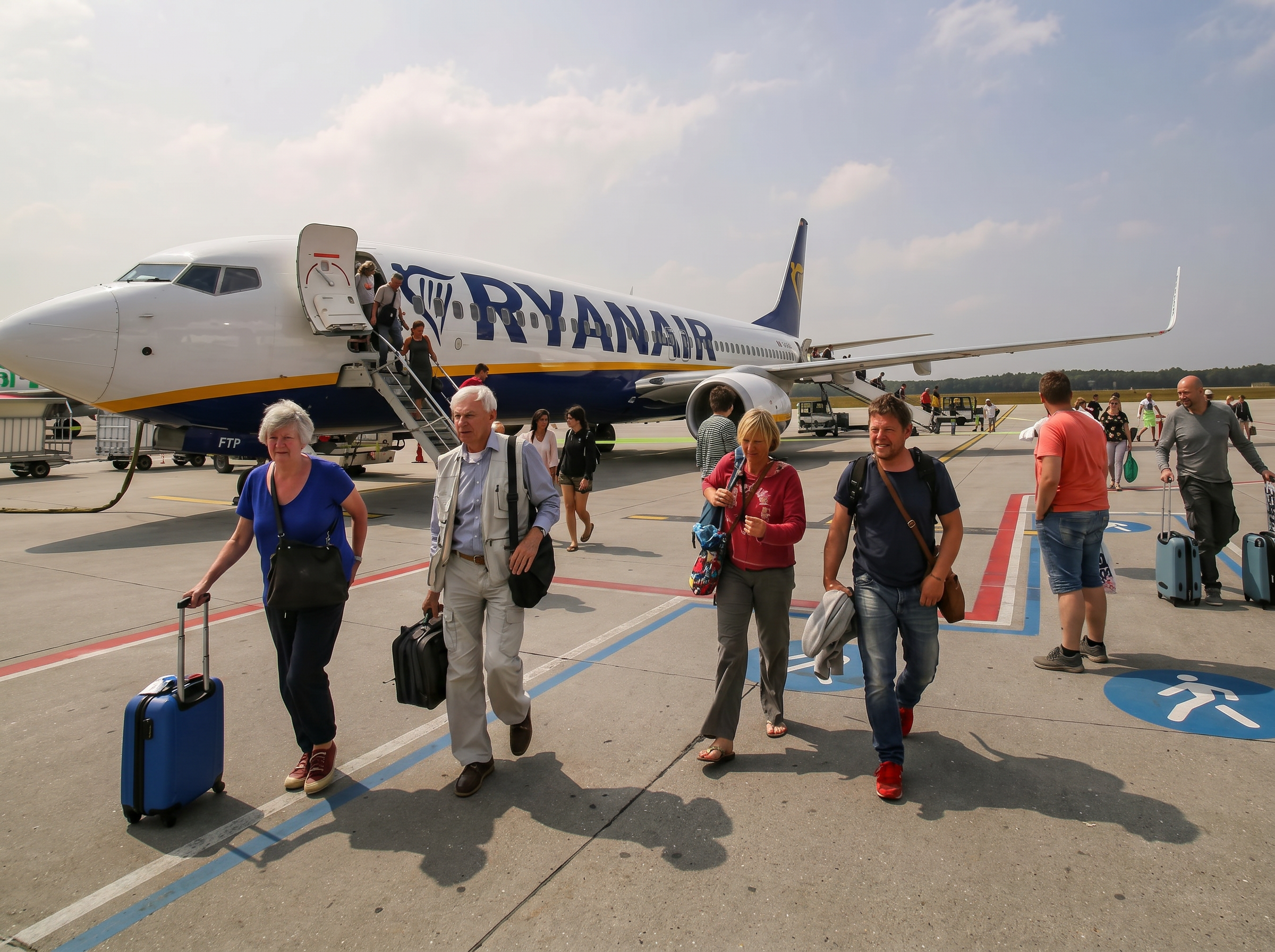
The Iran conflict has caused jet fuel prices to surge, leading to higher travel costs and reduced flight availability across Europe.
Rising Costs and Flight Reductions Facing European Airlines
The ongoing conflict in Iran has taken a direct toll on both travelers and the airline industry in Europe. In particular, the escalating prices of jet fuel have increased operational costs for airlines, resulting in higher ticket prices and significant reductions in flight schedules.
Surging Jet Fuel Prices
Since the onset of military actions in February, jet fuel prices have skyrocketed, doubling from approximately €68.27 ($80) per barrel to €153.84 ($180) by the end of April, according to the International Air Transport Association. The blockade of the strategically vital Strait of Hormuz, through which a significant portion of the world's oil and gas is transported, is driving these price hikes. Marina Efthymiou, a professor of aviation management at Dublin City University, highlights that escalated fuel costs constitute a substantial portion of airline operational expenses, potentially leading to bankruptcy for those unprepared.
European Airlines React to Fuel Shortages
Faced with these challenges, various airlines are adjusting their operations. Air France-KLM has instituted a €100 surcharge on long-haul flights, citing the need to offset skyrocketing fuel costs. Meanwhile, Lufthansa has announced the cancellation of 20,000 short-distance flights over the next six months, and Scandinavian Airlines plans to cut approximately 1,000 flights.
Sebastien Justum, Senior Vice President of Air France-KLM, emphasized the urgency of these measures, stating, "We are obliged to do so, because otherwise we just are bankrupt in a few months." With airfare rising by an average of 24% over the past year, as reported by advisory firm Teneo, many travelers are already feeling the financial strain.
Impending Jet Fuel Shortage
In addition to rising costs, a significant jet fuel shortage is anticipated, as warned by the head of the International Energy Agency. Europe is currently consuming around 1.6 million barrels of jet fuel per day, but the sanctions and conflict have disrupted traditional supply routes, leading to concerns that reserve levels may only last for a few weeks.
The Association of Airlines for Europe (A4E) has urged the European Union to take urgent measures to mitigate the situation by relaxing legislation that mandates airlines to load 90% of the necessary fuel within EU borders, and by temporarily suspending the bloc's Emissions Trading System, which imposes additional costs on airlines.
Coordination from the European Commission
The European Commission is also taking steps to address the situation. President Ursula von der Leyen highlighted that fossil fuel import costs have surged by over €27 billion in just 60 days due to the conflict. She called for enhanced coordination among EU member states to secure fuel supplies, especially for jet fuel and diesel. The European Commission's newly launched AccelerateEU plan aims to monitor fuel stocks and coordinate distribution across the bloc to alleviate potential shortages.
Andrew Charlton of Aviation Advocacy pointed out that while the current fuel supply remains adequate, uncertainty in the market is driving prices higher. As a result, travelers should prepare for fewer seats and increased costs in air travel.
Future Challenges and Outlook
Despite immediate concerns, the airline industry remains vigilant. Many refined jet fuel exporters are also limiting their supplies as they face their own shortages linked to Middle Eastern crude sources. The Commission is working to manage expectations and encourage travel while preparing for potential longer-term impacts of sustained supply shortages.
Conclusion
As the conflict in Iran continues, the ramifications for travel and the airline industry in Europe grow more pronounced. Higher prices and fewer flight options may hinder summer travel plans, raising concerns about a broader economic impact should the conflict persist.
Popular news
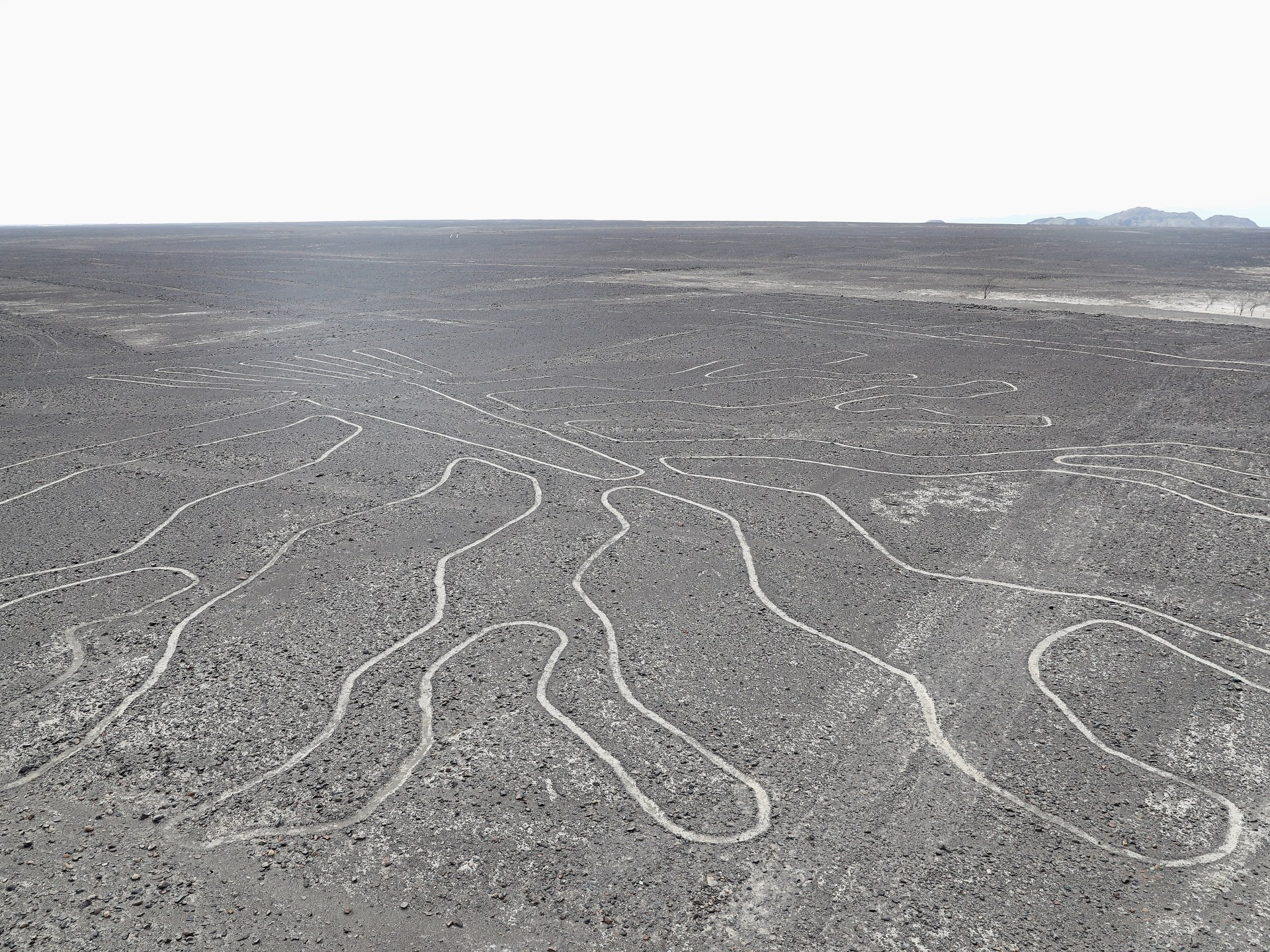
A small plane crash while touring the Nazca Lines in Peru has resulted in 13 fatalities, including tourists and crew.



Subscribe to
our news
Get the most important updates and top stories in your inbox.