 Business30 Apr 2026
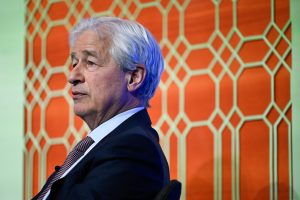
Jamie Dimon Shifts Focus from Geopolitics to Cyber Threats Amid AI Advancements
JPMorgan's Jamie Dimon highlights the growing threat of cybercrime, shifting the focus from geopolitics and emphasizing the need for global unity.
Dimon Unveils New Focus on Cyber Threats
For years, Jamie Dimon, CEO of JPMorgan, consistently identified geopolitics as the foremost risk to the global economy. His stance has shifted dramatically, however, as he now places cybersecurity at the forefront of his concerns. During a recent podcast, Dimon brought attention to the evolving nature of risk management due to advancements in artificial intelligence (AI), particularly citing the capabilities of Anthropic's new model, Claude Mythos.
Dimon articulated his worries about the explosive power of cybercriminals, stressing that they are becoming increasingly adept at exploiting vulnerabilities. This shift towards cybersecurity reflects a broader understanding of modern threats, especially as AI technologies rapidly evolve.
Realigning Risk Perspectives
The new focus on cyber threats comes in light of several alarming global events that have escalated geopolitical tensions. From Russia's invasion of Ukraine to the ongoing conflicts in the Middle East, these developments have historically dominated risk discussions. Dimon noted that while these geopolitical issues remain critical, the potential for cyber threats to upend the financial and security landscape is equally urgent.
He stated, "The bad guys can use cyber, and they're going to get stronger and more powerful in terms of finding vulnerabilities. It's been written about." This acknowledgment echoes growing concerns within the tech community, invoking calls for stronger counter-measures against potential cyberattacks.
The Rise of AI and Cyber Risk
The introduction of AI in the financial sector and beyond poses unique challenges. Notably, the capabilities of the Claude Mythos AI model revealed by Anthropic have sparked discussions about responsible AI development and the risks of misuse. Following a data leak, it became evident that the model could be weaponized by malicious actors, driving a multibillion-dollar market downturn in various sectors.
Dimon's remarks during the Norges Bank Investment Management conference underscore the urgency to address potential calamities precipitated by cyber threats. He pointed out that maintaining robust alliances, especially within NATO, is crucial to counter these risks. He articulated a vision where fragmentation of alliances could lead to dire consequences, warning that such a scenario would play into the hands of adversaries like Russia and China.
Urgent Call for Unity
In light of these warnings, Dimon emphasized the need for unity among Western nations to stave off fragmentation. He remarked, "The worst thing we can do is fragment it... What we should be doing is trying to make sure we keep the Western world together." His outlook reflects a growing recognition among leaders in business and government that collaborative efforts are essential to navigating both geopolitical and cyber challenges.
Dimon's shifts in focus spotlight the intricate balance between leveraging technological advancements for business growth while simultaneously guarding against the heightened risks posed by those same innovations. As the global landscape becomes more interwoven with technology, the imperative to devise effective cybersecurity measures will only intensify.
This evolution of thought among financial leaders like Dimon is indicative of a seismic shift in risk management perceptions, embracing a future where cybersecurity reigns supreme.
Popular news
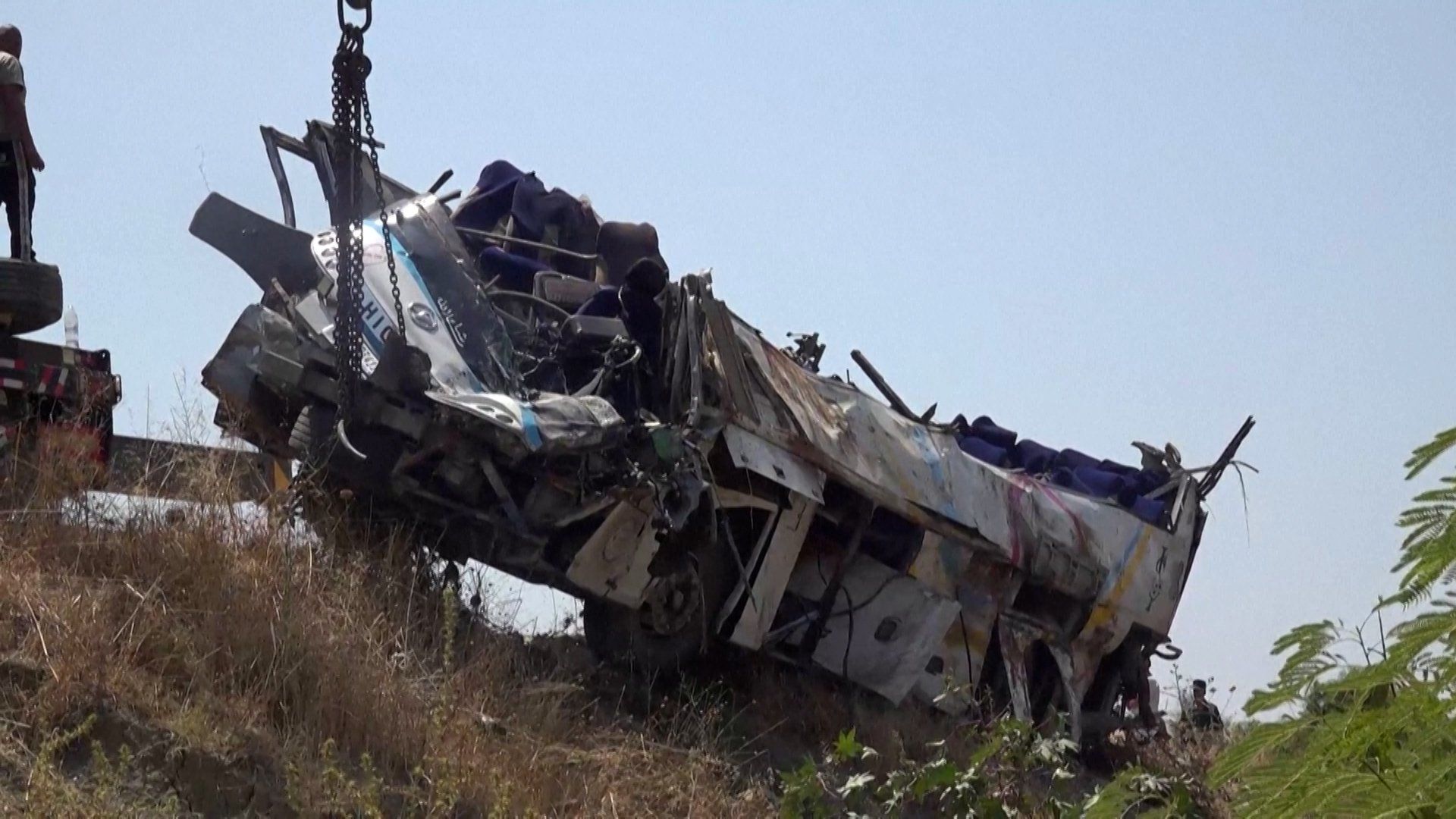
A small plane crash while touring the Nazca Lines in Peru has resulted in 13 fatalities, including tourists and crew.



Subscribe to
our news
Get the most important updates and top stories in your inbox.