





 Health22 May 2026
Justice Out of Time: Examining Historical Medical Practices and Ethics
Reflecting on the ethical dilemmas of mid-20th century medical practices.
Understanding Historical Medical Practices
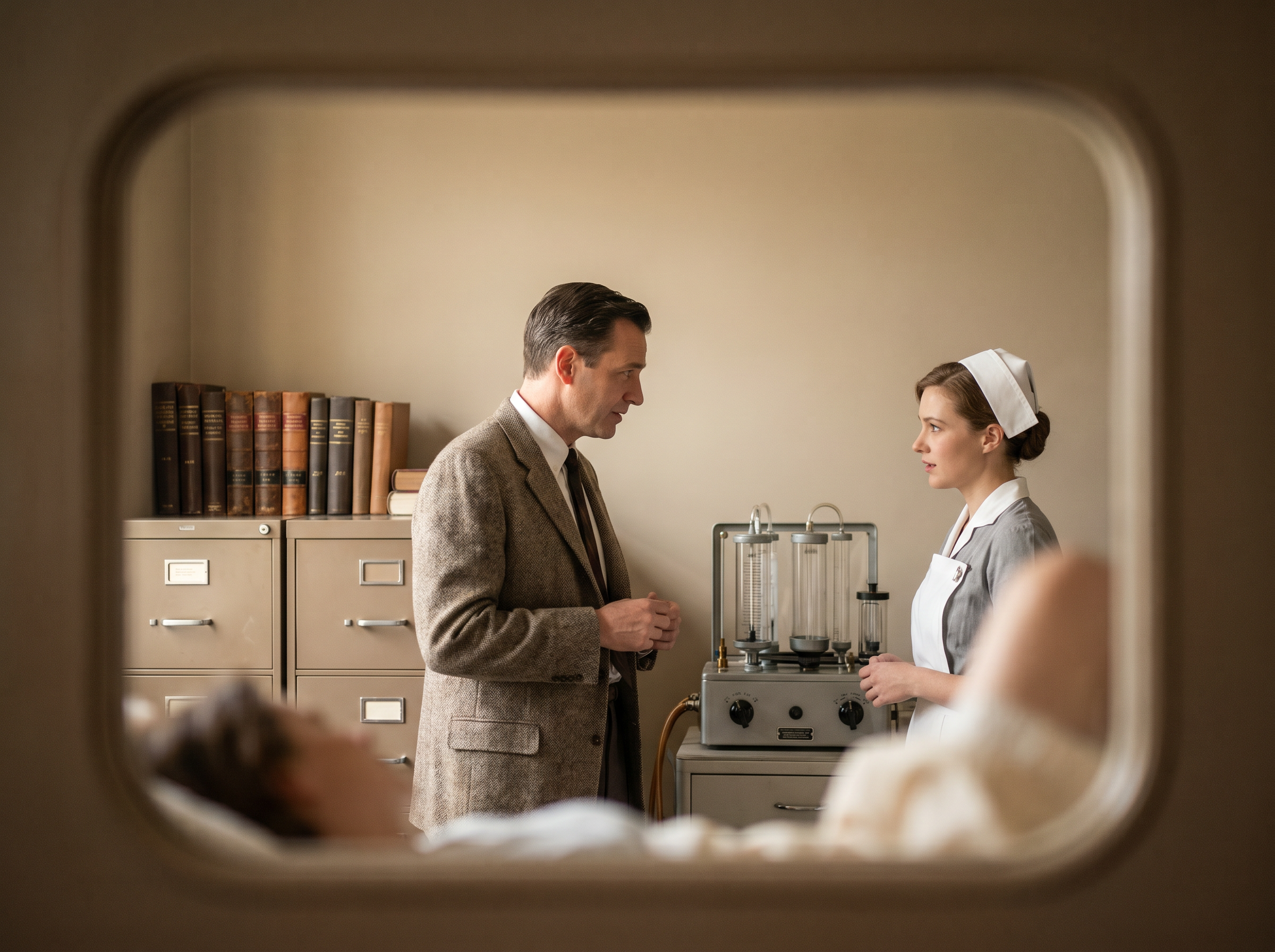
The ethical landscape that governs medical practices is continuously evolving, often dictated by societal values and scientific understanding at the time. Yet, reflecting on these practices from a contemporary perspective can unveil stark contrasts in moral judgment. This complexity is particularly highlighted in the case of psychosurgery, a controversial procedure that was prevalent throughout the mid-20th century.
The Role of Ethical Frameworks
Ethical frameworks are not static; they are influenced by the prevailing norms and knowledge available during specific periods in history. According to a perspective featured in The Lancet, the review of past medical practices, such as psychosurgery, illustrates how these frameworks can seem inadequate when viewed through the lens of modern ethics. As society advances, so too does the understanding of informed consent and patient rights, making retrospective judgments particularly problematic.
Historical Injustices and Medical Ethics
Historically, psychosurgery was often employed in attempts to address various behavioral and mental health issues. However, many of the patients subjected to these procedures were not fully informed of the risks or potential consequences. This lack of informed consent is now viewed as a grave ethical violation. Today’s ethical standards mandate rigorous consent protocols that respect patient autonomy—principles that were not consistently adhered to in the past.
Reflections on the Past
Evaluating historical medical practices using today’s ethical standards brings to light new questions about accountability and justice. While it is essential to acknowledge historical injustices, it is also critical to understand them within their specific sociocultural contexts. What can be seen as moral failures today may have been viewed differently when framed by the ethical paradigms of that era. Therefore, the difficulty in passing judgment on psychosurgery stems not only from the severity of its consequences but also from the inherent ambiguity surrounding the moral context of its application.
Conclusion
As advancements in medicine continue to shape the ethical discourse, the challenge remains to reconcile past practices with contemporary values. Reflecting on these historical injustices compels a broader conversation about medical ethics today and the need for a more nuanced understanding of patient rights in the ever-evolving field of healthcare.
Popular news
Nuveen acquires Schroders, creating a $2.6 trillion asset management powerhouse.





Subscribe to
our news
Get the most important updates and top stories in your inbox.
