 World22 May 2026
Lebanon's Economy Faces Dire Straits Amid Renewed Conflict and Global Fuel Crisis
Lebanon's economy is crumbling under renewed conflict and a global fuel crisis, pushing inflation and poverty to alarming new heights.
Lebanon's Economic Struggles Intensify
Lebanon is currently facing unprecedented economic challenges as renewed conflict and a global fuel crisis jeopardize its economic viability. Analysts warn that without significant intervention, the country may succumb to an unmanageable economic state, leading to further suffering among its population.
Renewed Conflict and Economic Decline
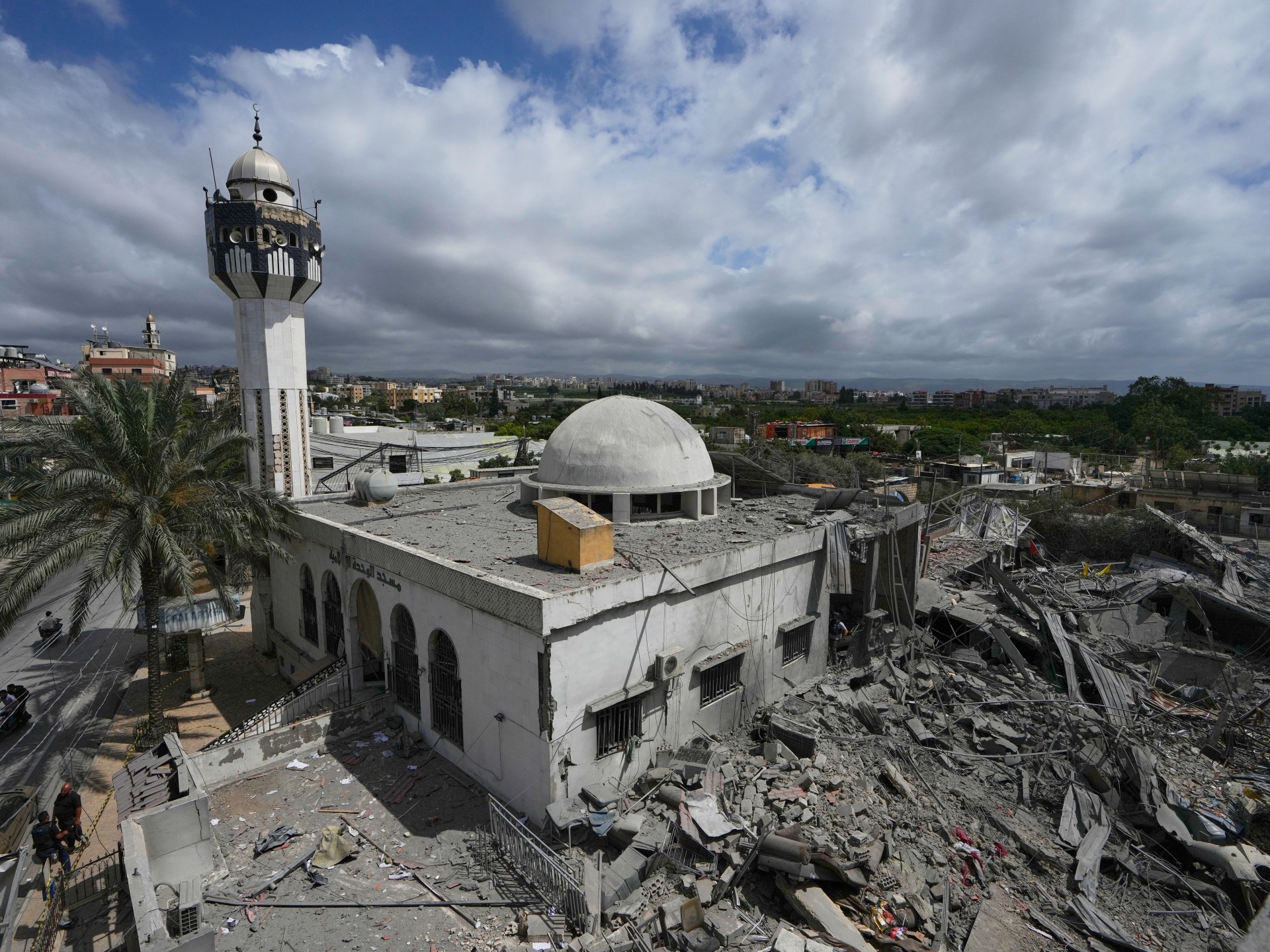
The ongoing war between Israel and Hezbollah has led to a staggering increase in prices, particularly in essential goods like oil. Many Lebanese citizens report a terrifying rise in the cost of everyday life. Mario Habib, a local barber whose shop has been a staple in the Furn el-Shebbak neighborhood since 2006, shared his struggle:
"Everything has gotten more expensive. The price of petrol doubled, and even my supplies for the business have increased."
Following a brief economic recovery last year that saw a GDP growth of 3.5% in 2025, the situation has dramatically flipped with the surge in conflict. March recorded an 18-month high in inflation, prompting Bank Audi to predict a grim GDP growth of zero for 2026 if the violence persists.
The Human Cost of War
The conflict has displaced over 1.2 million individuals, with many families torn apart and forced to flee in search of safety. The war impacts the poorest and most vulnerable communities the hardest, as they lose access to their livelihoods and are often unable to afford basic necessities. The World Bank recently estimated economic losses due to war-related disruptions at approximately $3 billion for 2026, a number expected to rise as daily attacks continue.
The situation is compounded by a historical context marked by political instability and economic mismanagement. The Beirut port explosion in 2020 and subsequent crises have left the country in a precarious state, exacerbating its current predicament.
Economic and Societal Fractures
Economist Sami Zoughaib highlights a troubling trend: "This is a war that comes after a war, after institutional collapse, after one of the worst financial crises in history."
The sectors most affected by these crises—agriculture, commerce, and tourism—account for 77% of economic losses, seriously impacting low-wage workers and their families. With a significant drop in remittances projected—largely due to rising oil prices—families are bracing for an even more austere future.
Political divisions in Lebanon do not help the situation, with many fearing that these economic hardships will lead to increased sectarian strife. Analysts point out that Israel's strategy may hinge on fostering divisions among Lebanese communities, particularly targeting those from the Shia community, which supports Hezbollah.
Moving Forward
As Lebanon navigates this perilous economic landscape, the call for international support is urgent. The haunting echoes of past crises loom large, and if the current trajectory continues, experts warn that Lebanon could soon find itself at a breaking point, with severe repercussions for its society and governance. The international community's response will be critical in shaping Lebanon's path forward amid this turmoil.
Popular news
Nuveen acquires Schroders, creating a $2.6 trillion asset management powerhouse.

Subscribe to
our news
Get the most important updates and top stories in your inbox.