





 Technology23 May 2026
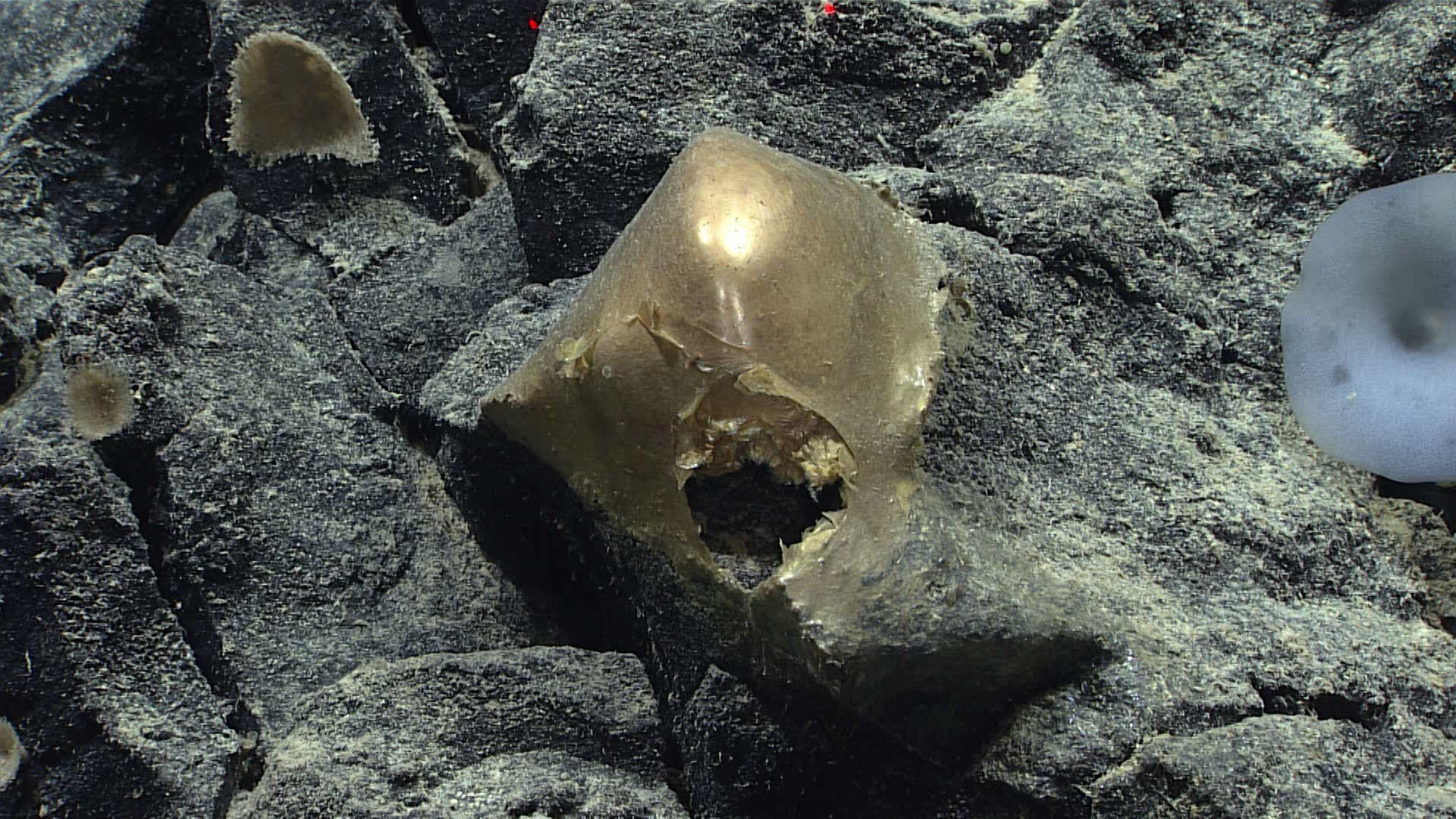
Mysterious Golden Orb Found on Ocean Floor Identified as Deep-Sea Anemone Remains
A golden orb discovered on the Gulf of Alaska floor is linked to a rare deep-sea anemone, shedding light on unexplored ocean life.
Discovery of the Golden Orb
During a deep-sea expedition in the Gulf of Alaska, researchers stumbled upon an unusual golden orb resting on the ocean floor. Initially assumptions by social media enthusiasts leaned towards an extraterrestrial origin, but scientific analysis has unveiled its true nature.
Identification of the Orb
A recent study, as yet pending peer review, confirms that the orb is a biological remnant from Relicanthus daphneae, a unique and rare species of deep-sea anemone. This species is known to thrive at depths ranging between 1,600 and 4,000 meters and can grow up to 30 centimeters in diameter. Its unusual characteristics have long perplexed biologists, complicating its classification within the cnidarian family, which includes familiar varieties such as corals and jellyfish.
Unraveling Its Origins
Prior to this finding, researchers had only speculated about the orb's origins. Initial investigations revealed the presence of spirocytes—highly specialized cells unique to cnidarians—confirming that the orb was organic and ruling out possibilities such as egg deposits or layered biofilms. Through advanced DNA sequencing, scientists discovered a remarkable 99.9% genetic match of the orb’s DNA to that of Relicanthus daphneae.
The Golden Cuticle
To further decode this mystery, the researchers revisited older specimens of R. daphneae. They identified remnants of a golden cuticle produced by the anemone, which it sheds while moving along the ocean floor. As the anemone relocates, this cuticle can sometimes detach and contribute to the striking orb found during the expedition. As it deteriorates over time or becomes buried, it maintains a capsule-like appearance that led to initial misconceptions about its extraterrestrial nature.
Continued Exploration of Ocean Biodiversity
These findings emphasize the ongoing enigmas surrounding deep-sea biodiversity. According to scientific estimates, over 80% of oceanic regions are yet to be thoroughly mapped or explored, underlining the vast unknowns that still exist in our planet's oceans. The study of organisms like Relicanthus daphneae serves to deepen our understanding of life in extreme environments, revealing that the effects of evolution in such undiscovered ecosystems are far from resolved.
As researchers continue to explore these marine depths, they are likely to uncover more hidden treasures and mysteries that point to the rich biodiversity still lurking beneath the ocean waves.
Popular news
Nuveen acquires Schroders, creating a $2.6 trillion asset management powerhouse.





Subscribe to
our news
Get the most important updates and top stories in your inbox.
