




 Business19 Jul 2026
NASA's Lunar Landings Face Criticism Over Lack of Rescue Plans
Experts warn that NASA's lunar landing plan may jeopardize astronaut safety due to insufficient rescue capabilities in emergencies.
Concerns Over NASA's Lunar Mission Safety
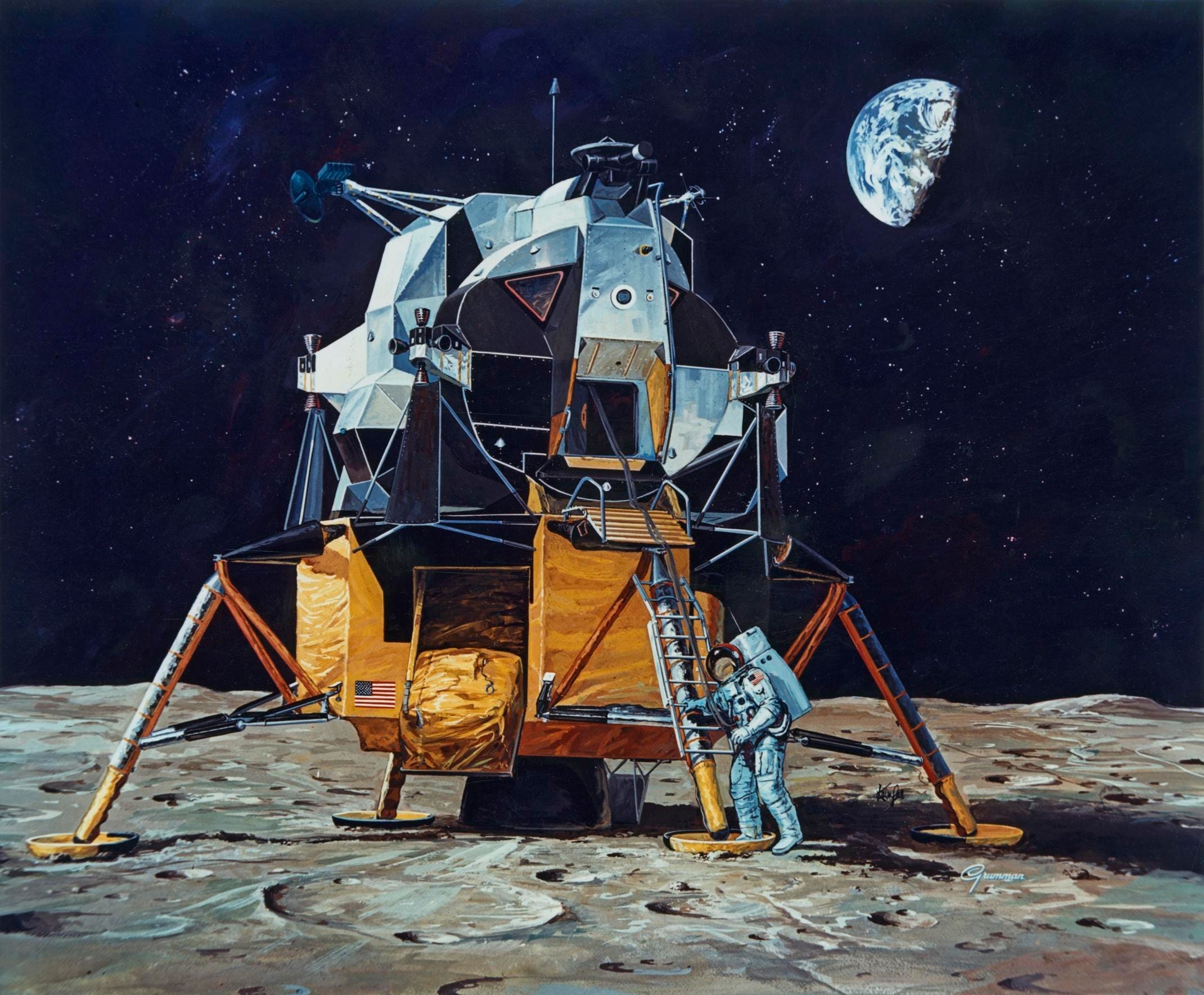
NASA's ambitious plan to return astronauts to the Moon by 2028 is facing criticism as reports from the NASA Office of Inspector General (OIG) underline significant risks related to emergency rescues in space. With groundbreaking missions planned in the lunar South Pole—an area fraught with perilous terrains—experts warn that if a crisis were to occur, astronauts could be left stranded without any means of rescue.
Tricky Terrain and Lack of Backup
The lunar South Pole, unlike safer regions previously explored during the Apollo missions, presents daunting challenges. The area is characterized by deep craters and large boulders, which could complicate landing maneuvers. The OIG's report highlights the absence of a secondary lander preemptively stationed in the area, meaning that in the event of an accident, there would be no immediate means for a rescue or a safe haven for the astronauts.
Inspections suggest that neither SpaceX nor Blue Origin, the companies contracted to land astronauts, have been instructed to prepare a backup lander. This oversight could lead to disastrous consequences should an emergency arise, as there would be no available options for immediate evacuation or sustenance resources like oxygen and food to sustain the crew until a rescue could be executed.
Recommendations for Enhanced Safety
Experts like Brian Hurley, a prominent space scholar, recommend a substantial reevaluation of NASA's strategy. Instead of focusing solely on achieving a lunar touchdown, NASA should invest in safety operations that include maintaining at least one pre-positioned backup lander on the lunar surface. Such a lander could function as both an emergency shelter and a vehicle for ascent back to orbit.
In addition, the agency may need to delay its timelines until both SpaceX and Blue Origin can guarantee a swift response capacity, ensuring astronauts won’t be jeopardized by unforeseen circumstances.
Potential Consequences of Inaction
The report explicitly warns of severe repercussions should a crew be marooned without a viable rescue option. NASA’s current trajectory could not only disrupt the ambitious Artemis program but also inflict irreparable damage to its reputation. A failure to implement robust rescue capabilities might lead to investigations and interventions from congressional oversight if an emergency were to occur, severely harming public trust in NASA's safety protocols.
Conclusion: A Call for Change
As NASA embarks on this new era of lunar exploration, the importance of incorporating comprehensive safety measures into mission planning cannot be overstated. Without adequate backup rescue plans, the stakes have never been higher for the astronauts venturing onto the Moon, mirroring the urgency for NASA to adjust its priorities to include astronaut safety at the forefront of its missions.
Failure to act could result in events that would mark a significant turning point in space exploration history, with dire implications for the future of NASA.
Popular news
New York has declared a disaster emergency over rising measles cases, especially among under-immunized populations, with 108 confirmed cases.




Subscribe to
our news
Get the most important updates and top stories in your inbox.