




 Technology22 May 2026
The Gulf’s AI Boom Faces Undersea Cable Vulnerabilities
The Gulf's AI infrastructure is vulnerable due to reliance on few undersea cables amid geopolitical tensions. New projects seek to enhance resilience.
The Fragile Backbone of AI in the Gulf
As the Gulf countries pivot towards artificial intelligence-driven economies, their ambitions rest precariously on a limited network of undersea cables. This infrastructural reliance poses significant geopolitical risks, especially considering the rise in regional tensions, primarily between nations such as Saudi Arabia, the UAE, and Iran.
Despite spending billions on building AI infrastructure and attracting major tech players, the area’s internet connectivity routes expose it to vulnerabilities that could undermine its burgeoning AI business model. Experts warn that the concentration of these cables, particularly those running through the volatile Strait of Hormuz, necessitates a rethink of connectivity solutions to avoid potential disruptions.
The Strategic Importance of Undersea Cables
Global Data Traffic Dependence
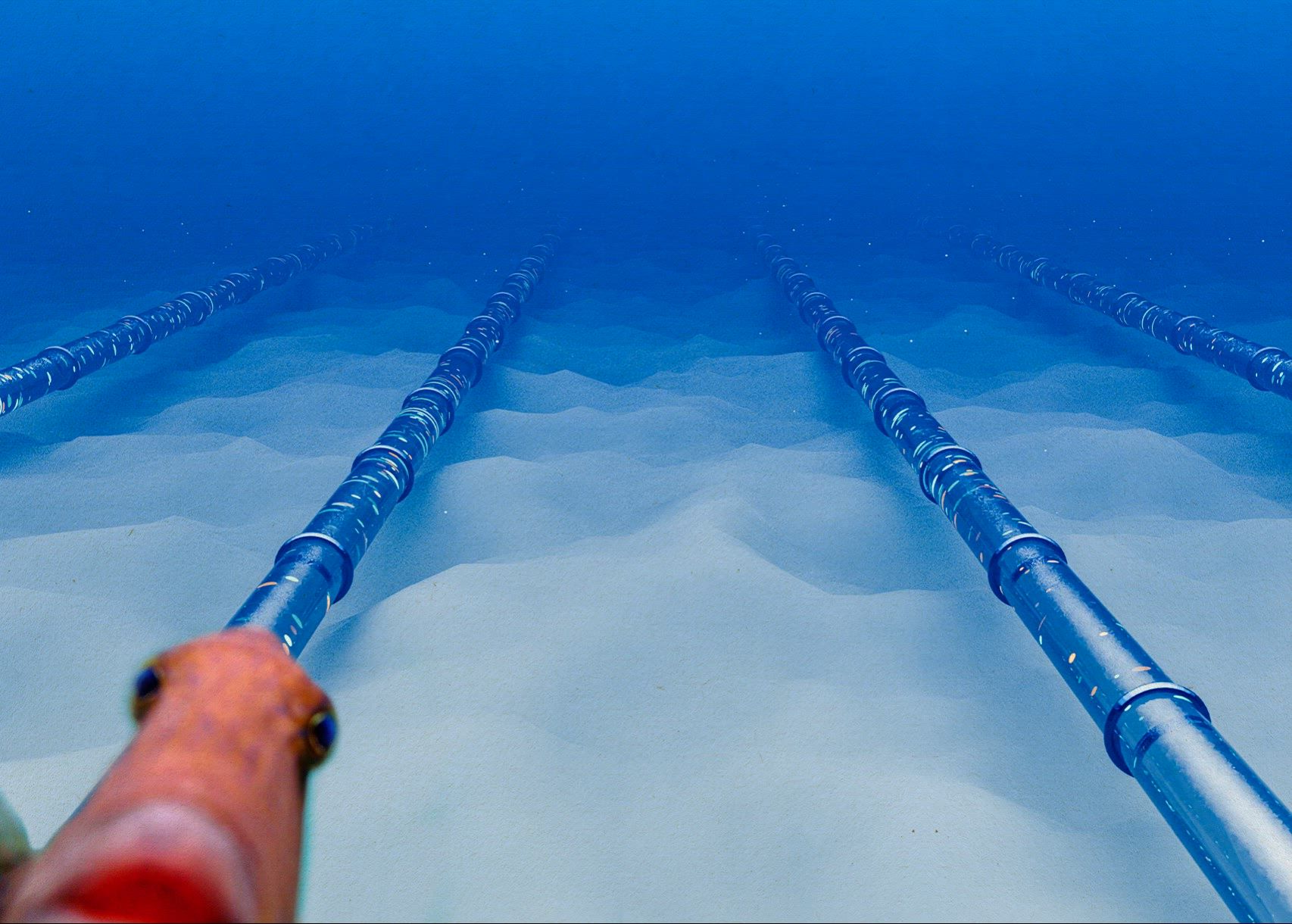
Undersea cables are the lifeblood of global internet traffic, accounting for approximately 95% of international data exchange. In the Gulf region, issues of connectivity are compounded by the fact that most links to Europe and the United States rely on just a few established routes. This makes the area particularly susceptible to disruptions caused by political unrest or military conflicts.
Recent hostilities, as well as threats from Iran to seize control of existing cables, have highlighted the critical need for enhanced security and reliability. As the Gulf transitions from oil to data, protecting this digital infrastructure has become paramount to cementing its place in the global AI landscape.
The Impact of AI on Infrastructure Demands
The acceleration of AI initiatives has significantly raised expectations regarding data flow resiliency. Unlike traditional internet usage, AI applications require constant and high-volume data transfers between data centers and clients. This shift means that any disruption—no matter how brief—could lead to severe operational and financial repercussions.
Imad Atwi from management consulting firm Strategy& emphasizes that hyperscalers are now seeking not just bandwidth but multiple independent pathways that ensure stability even during geopolitical turmoil.
Emerging Solutions to Connectivity Challenges
Innovations Underway
Faced with these challenges, Gulf nations are reconsidering their connectivity strategies, leading to the development of new projects aimed at fostering resilience and diversifying routes.
- SilkLink: An initiative by Saudi Arabia, aiming to establish a terrestrial link through Jordan and the Levant, sidestepping maritime chokepoints.
- WorldLink: A collaborative project involving Iraqi and Emirati companies, which will lay underwater cables connecting the UAE to Iraq and transitioning into Turkey.
These projects are critical attempts to create additional East-West connectivity corridors and reduce reliance on existing narrow maritime routes that are vulnerable to regional tensions.
The Role of Terrestrial Systems
Beyond subsea solutions, several terrestrial systems are being explored to enhance capacity. For instance, the proposed JADI route, which connects Jeddah with Istanbul via Amman and Damascus, demonstrates the potential for significant expansion in fiber capacity, despite the inherent risks linked to political instability in the region.
A Future-Forward Strategy
Reconceptualizing Connectivity as a Strategic Asset
As the Gulf recognizes that its approach to connectivity is not merely about moving data but is also about securing a strategic asset, the area is at the forefront of addressing infrastructure resilience.
While initiatives like SilkLink and WorldLink promise to diversify and strengthen connections, the Gulf still faces significant challenges ahead. Currently, no alternatives can rival the complexity and capacity provided by decades of investment in undersea cables. Satellites may offer supportive roles, but they cannot replace the volume of data needed for modern economies.
Conclusion
Ultimately, how the Gulf region navigates these connectivity vulnerabilities will not only influence its AI-driven ambitions but may also serve as a model for other regions grappling with similar challenges in a rapidly evolving digital landscape.
This proactive approach to rethinking digital infrastructure could reshape the global landscape for AI connectivity, setting a precedent that many other economies will need to consider as they also transition towards data-driven futures.
Popular news
Nuveen acquires Schroders, creating a $2.6 trillion asset management powerhouse.




Subscribe to
our news
Get the most important updates and top stories in your inbox.