




 Business11 Jun 2026
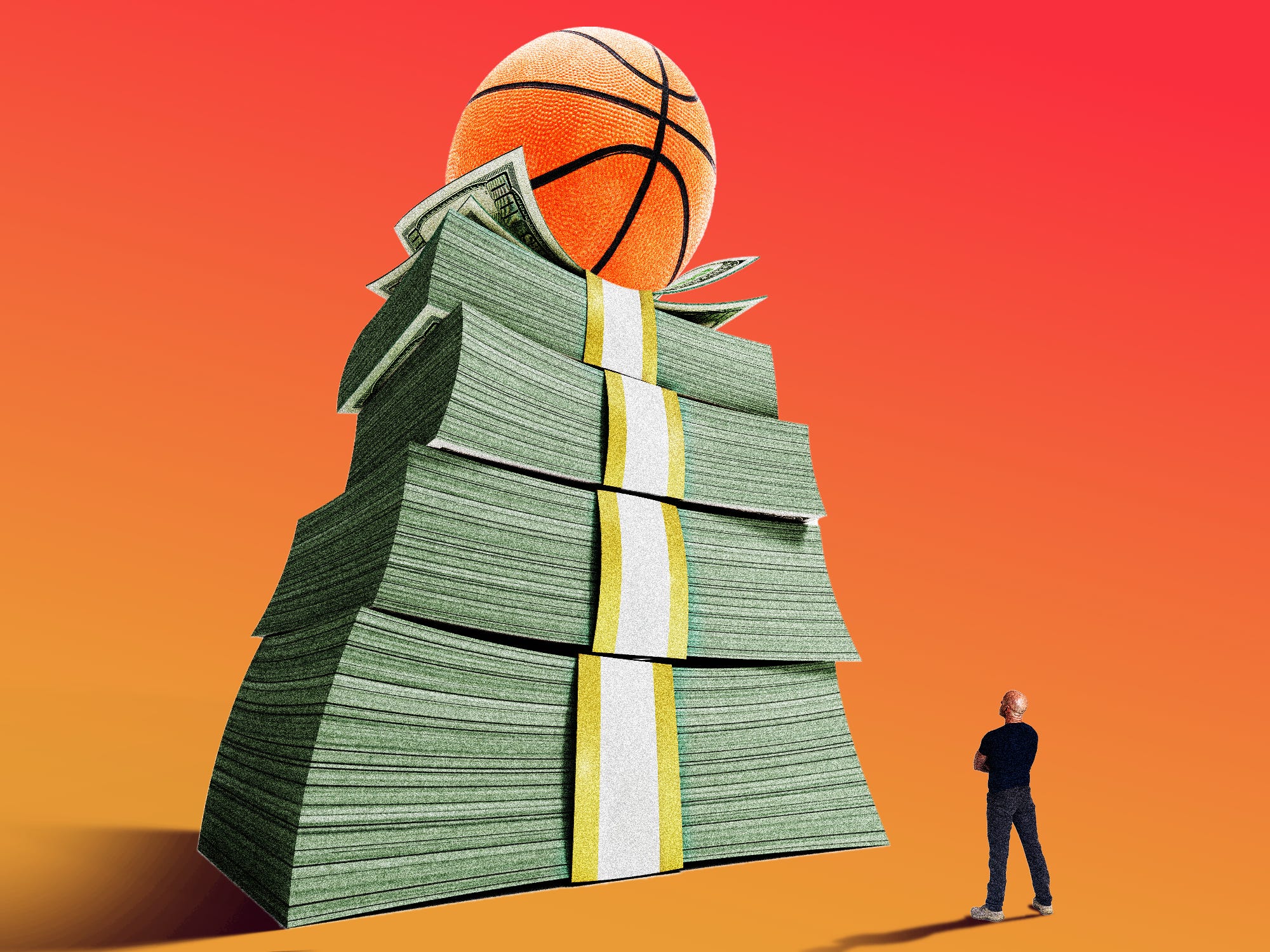
The Rising Costs of Sports: How Ticket Prices and Streaming Services Are Pricing Out Fans
Ticket prices and streaming costs are soaring, leaving many fans behind in an evolving sports landscape.
The Changing Landscape of Sports Fandom
Sports in America have long been a source of excitement and community, but the costs of fandom are rising exorbitantly. Across major leagues like the NBA and events like the FIFA World Cup, fans face high ticket prices and a confusing array of streaming services that threaten to alienate the very supporters that help fuel the industry.
Skyrocketing Ticket Prices
As the demand for in-person sporting events grows, so too do the prices attached. Recent data shows that major events like the World Cup are leaving ordinary fans priced out, with average tickets exceeding $2,000 in major hubs such as New Jersey and Miami. Even NBA Finals tickets at iconic arenas like Madison Square Garden have become shockingly expensive, with some seats in high demand costing thousands with no end in sight for this inflation.
Michael Serazio, a communications expert at Boston College, emphasizes the financial strain on fans, noting that it can feel as if their love for sports is being commodified—a sentiment echoed across various sports communities.
The Streaming Dilemma
The way fans consume sports has also transformed dramatically. The proliferation of streaming services has made accessing games increasingly cumbersome. NFL followers, for instance, often need a combination of traditional cable and multiple streaming platforms, which can amount to several hundred dollars in monthly fees. This convoluted navigation detracts from the joy of simply enjoying a game. Critics are voicing concerns that this complexity is frustrating average fans, potentially damaging long-term engagement.
A Shifting Focus to Lucrative Experiences
Leagues are justifying these price surges by pointing towards a supposed need for profitability, particularly in the face of rising operational costs and technological advancements. Stadiums are increasingly catering to luxury clientele, with amenities that align more with corporate hospitality than typical customer needs. This shift raises a red flag for the sustainability of fandom, as the “everyday” fan is marginalized in favor of affluent consumers.
Andrew Zimbalist, a sports economics professor, cautions that excessive commercialization could backfire, leading organizations to lose touch with the grassroots support that made sports thrive. The current trajectory reveals a troubling trend where leagues and teams prioritize short-term revenue over long-term loyalty.
A Cautionary Tale of Fan Alienation
The repercussions of prioritizing corporate clients over loyal fans could spell disaster for the leagues in years to come. There are historical precursors, such as boxing, which once dominated American sports but fell from grace due to a pay-per-view model that alienated fans.
The Future of Sports Engagement
As leagues continue to adopt measures that monetize every aspect of fandom, serious questions arise about the longevity of their current model. If fans can no longer afford to attend games or navigate complex streaming requirements, they may disengage from the very sports they love. Participation in youth sports and interest levels among younger generations also show declining trends, posing a worrying future for sports culture.
Victor Matheson, an economist, argues that while leagues such as the NFL seem insulated from risk today, continued pricing pressures could alienate fans, resulting in a longer-term decline in participation and viewership. He points out that forming emotional connections with a sport begins with accessibility, a critical factor that is currently being undermined.
A Call for Balance
The essence of sports fandom lies in its accessibility and community, allowing individuals from diverse backgrounds to share in the highs and lows of their favorite teams. To ensure the sustainability of this cherished aspect of culture, leagues and sports organizations must reevaluate their approach. By fostering environments that welcome fans—rather than push them away—sports can maintain their place as fundamental cultural touchstones.
The current reality is a “fundamental con,” as described by Serazio, wherein fans exhibit deep loyalty while leagues focus on profits. This imbalance risks alienating the future generations of fans, challenging the very foundation on which the sports industry was built.
Popular news
New York has declared a disaster emergency over rising measles cases, especially among under-immunized populations, with 108 confirmed cases.



Subscribe to
our news
Get the most important updates and top stories in your inbox.