




 World11 Jun 2026
UNHCR Reports 117.8 Million People Forcibly Displaced Worldwide
The UNHCR reveals that 117.8 million people are forcibly displaced worldwide, highlighting a shift marked by refugee returns amid ongoing crises.
Overview of Global Displacement
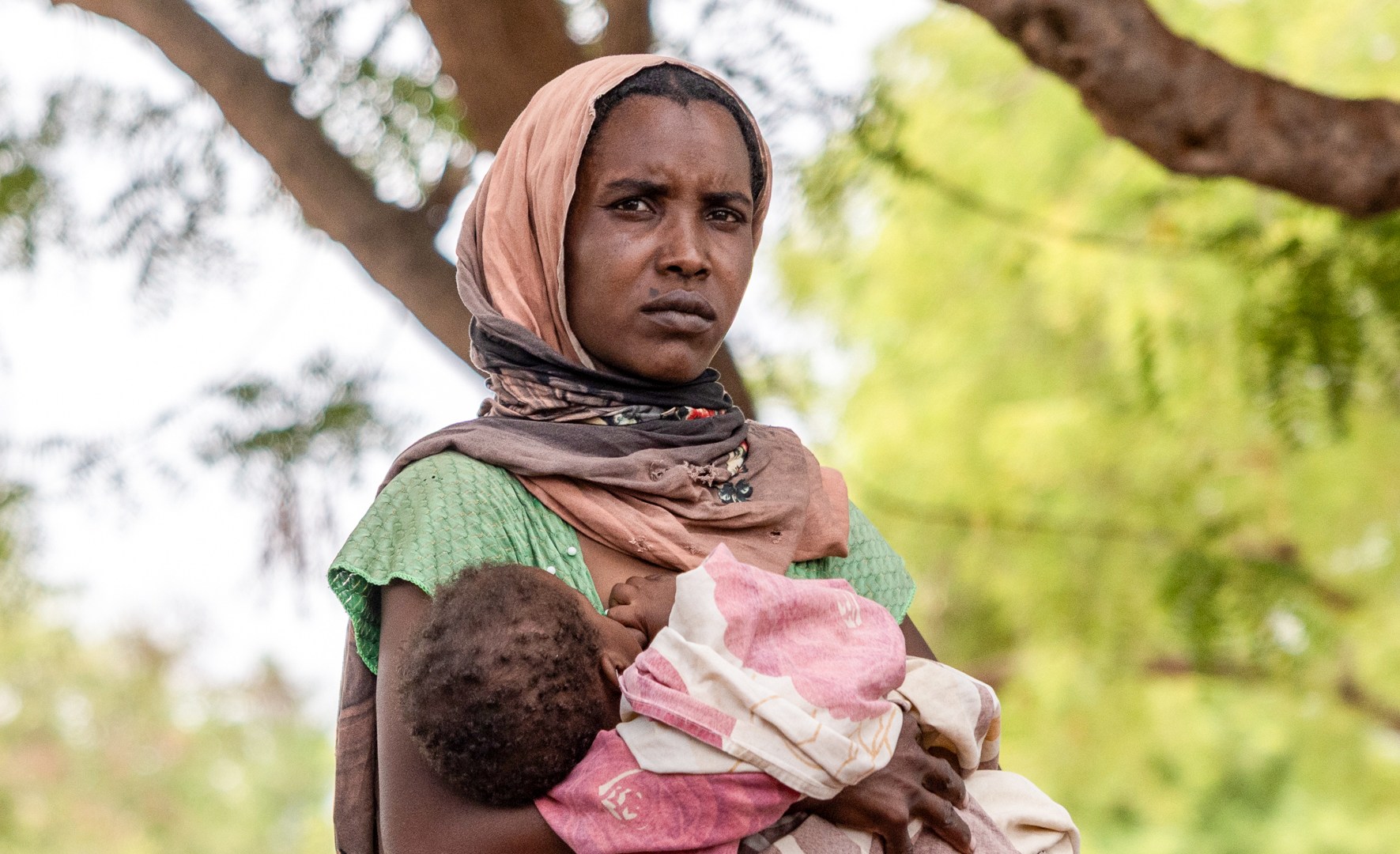
According to the United Nations High Commissioner for Refugees (UNHCR), an alarming total of 117.8 million people are currently forcibly displaced worldwide, translating to roughly one in 70 individuals. This figure marks the first significant decline in forced displacement in a decade, primarily driven by large-scale returns of refugees and internally displaced persons (IDPs) from major ongoing crises.
Despite this overall decline of approximately 4% in displaced individuals compared to last year, the report underscores a significant worsening of the situation in Lebanon, triggered by the recent escalation of the US-Israel conflict.
Key Statistics on Displacement
Breakdown of the Displaced Population
The report highlights the breakdown of displaced individuals:
- 68.6 million are internally displaced within their own countries due to conflict or crises.
- Approximately 28.5 million refugees fall under the UNHCR mandate.
- 9 million are asylum seekers, awaiting protection decisions based on threats faced at home.
- 7.2 million individuals require international protection.
- 6 million are Palestinian refugees managed by UNRWA.
Origins of Refugees
The report notes that nearly 72% of all refugees originate from just seven countries:
- Venezuela: 6.4 million
- Palestine: 6 million
- Ukraine: 5.2 million
- Syria: 4.9 million
- Afghanistan: 3.7 million
- Sudan: 2.8 million
- South Sudan: 2.4 million
Hosting Countries for Refugees
Major Host Nations
More than a third of the world's refugees are sheltered in just seven countries:
- Colombia: 2.8 million
- Germany: 2.7 million
- Turkiye: 2.4 million
- Uganda: 1.9 million
- Iran: 1.7 million
- Chad: 1.5 million
- Pakistan: 1.3 million
The report emphasizes that 65% of those in need of international protection reside in neighboring countries. For instance, most refugees in Turkiye are from Syria, while those in Colombia predominantly come from Venezuela.
Historical Context of Displacement
Since the inception of the UN Refugee Convention in 1951, which established legal protections for refugees, the global landscape has drastically changed. Back then, there were just 2.1 million recognized refugees. Fast forward to 2021, and this number eclipsed 30 million due to myriad conflicts, including the wars in Afghanistan, Iraq, and Syria.
The conflict in Ukraine, beginning in 2022, added to this surge as 5.7 million people fled within the first year. In 2023, ongoing violence in Sudan and renewed conflict in Israel and Gaza further exacerbated the situation, pushing displacement numbers upward and affecting millions.
Recent Trends in Refugee Returns
Significant Increase in Returns
The UNHCR reported a 50% increase in the returns of refugees and IDPs in 2025 compared to the preceding year, with 14.7 million individuals returning home. Most of these returns occurred in:
- Democratic Republic of the Congo: 3.6 million
- Sudan: 3.6 million
- Syria: 3.3 million
- Afghanistan: 2 million
- Ukraine: 718,300
- Myanmar: 415,200
However, the UNHCR cautions that conditions in many returning areas remain unstable and dangerous, raising serious concerns about the safety of returning refugees.
Conclusion
As the world navigates through complex geopolitical landscapes, the situation for millions of displaced individuals remains critical. While recent trends indicate a modest decrease in the overall numbers, ongoing conflicts highlight the urgent need for comprehensive international support and sustainable solutions for displaced populations.
Popular news
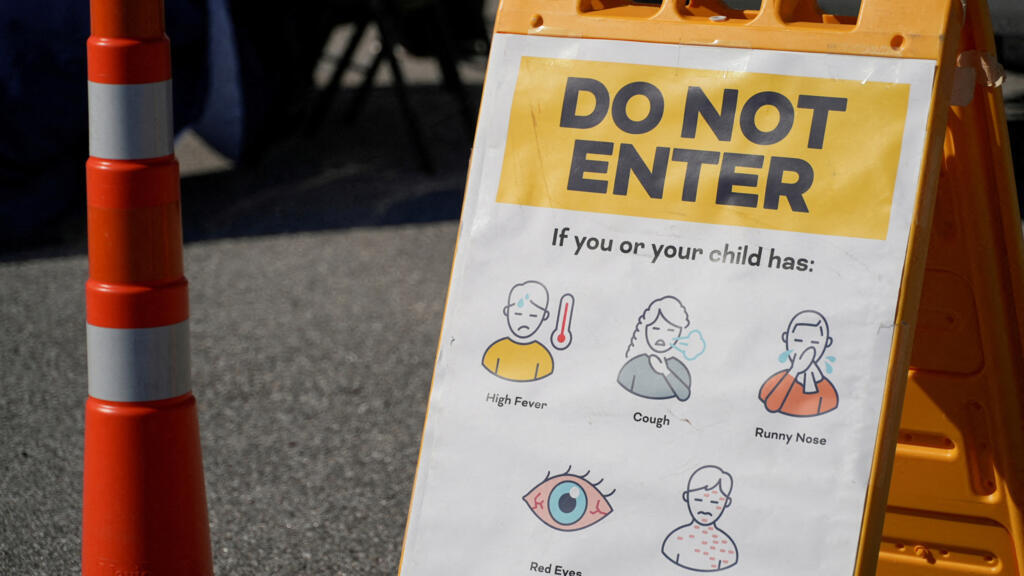
New York has declared a disaster emergency over rising measles cases, especially among under-immunized populations, with 108 confirmed cases.

Subscribe to
our news
Get the most important updates and top stories in your inbox.