




 Business10 Jun 2026
Goldman Sachs: High Oil Prices Enrich Russia But Economic Growth Stalls
Goldman Sachs reports Russia's wealth from rising oil prices is not translating into economic growth, which is forecasted at just 0.9% this year.
Wealth from Oil Rising but Growth Stagnating
Goldman Sachs has revealed that despite soaring oil prices enriching Russia, the nation’s economic growth remains sluggish. The investment bank forecasts a growth rate of only 0.9% this year, highlighting how external conditions, such as Western sanctions and internal challenges like labor shortages, impede economic expansion.
Oil Benefits Amid Sanctions
International benchmark Brent crude futures are around $92 a barrel, marking a significant increase of about 30% since the conflict in Iran began. This increase has financially benefited Russia, solidifying its status as the third-largest oil producer and exporter globally, after the United States and Saudi Arabia. Notably, Russia’s strategic geographic advantages have enabled it to circumvent major shipping chokepoints, such as the Strait of Hormuz, allowing it to capitalize on disruptions in global oil markets.
Constraints on Economic Growth
Economists at Goldman Sachs, led by Clemens Grafe, assert that although the country is generating significant revenue from its oil exports, there is little room for economic growth. Grafe stated, "Despite the weak growth and funding being available to boost the economy, we do not forecast a demand-driven acceleration."
The projections of a mere 0.9% growth this year reflect a slowdown from previous years, indicating challenges that persist despite increased revenues from oil. The current-account surplus, which represents trade and income flows with the rest of the world, is predicted to almost double, reaching 3.2% of GDP in 2026 from 1.7% in 2025. Each $10 increase in oil prices is anticipated to add about $21 billion to government revenues, yet economic output is not keeping pace.
Labor Market Tensions
One of the critical issues hindering growth is a tight labor market, with unemployment rates near historic lows. Factor in the loss of approximately 2 million workers due to military service, casualties, or emigration amidst the ongoing conflict in Ukraine, and the situation becomes more complicated. Grafe emphasizes that pumping extra cash into the economy is unlikely to generate significantly more goods and services. Instead, higher energy prices may raise inflation concerns more than they create growth opportunities.
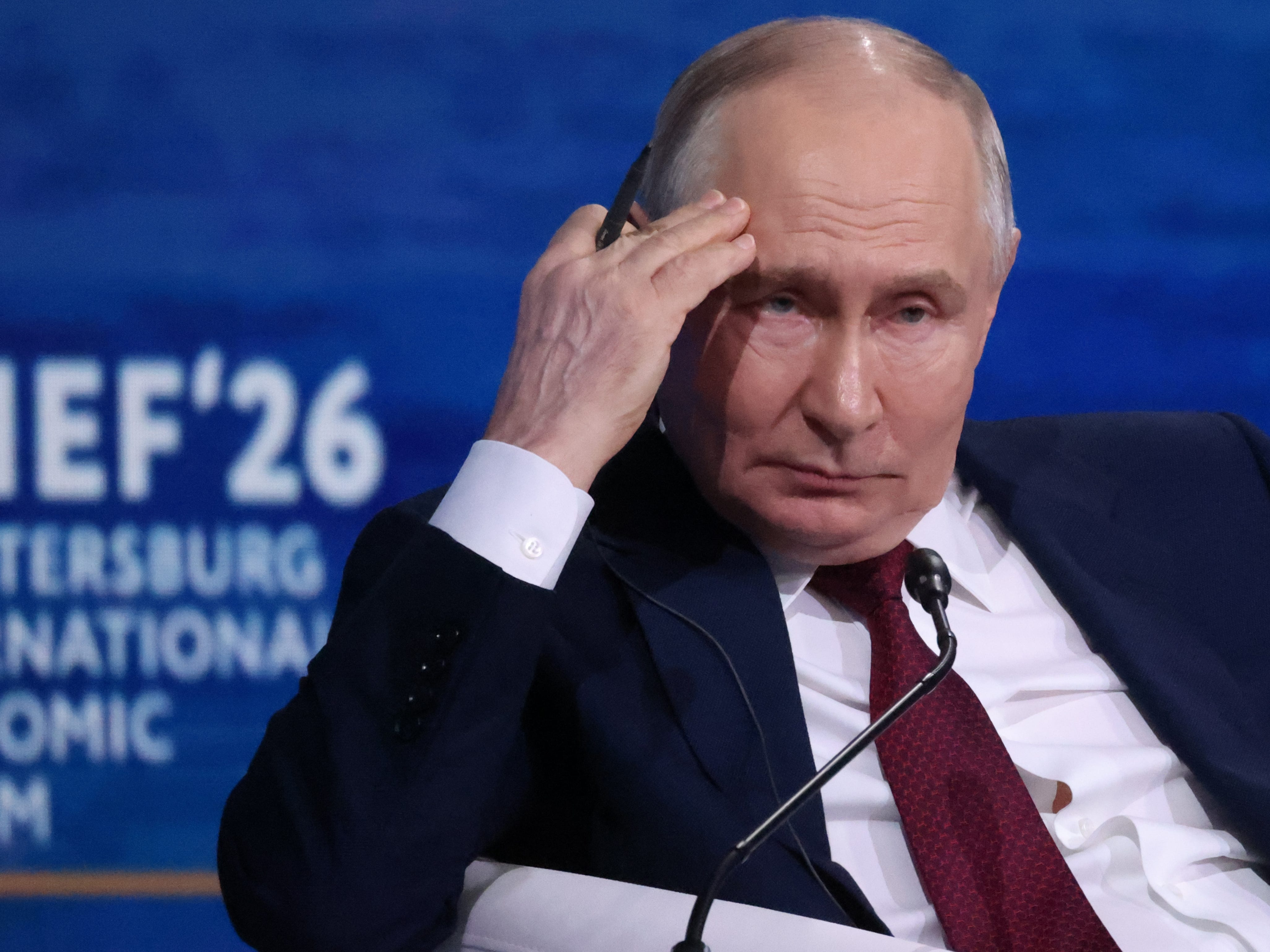
Despite these economic hurdles, leaders in Moscow are feeling the pressure to devise strategies that might stimulate growth. In a recent demand for stronger economic proposals, President Vladimir Putin expressed dissatisfaction with the current economic contraction and called for necessary measures to revive growth. Earlier this year, he mandated a "significant increase" in tax collection in response to the stagnation in the economy.
Conclusion
As high oil prices continue to swell Russia's coffers, the country's economy faces profound structural issues that are stifling growth. With the warning issued by Goldman Sachs, it appears that while wealth may be increasing, the prospects for robust economic improvement are increasingly dim.
Popular news
New York has declared a disaster emergency over rising measles cases, especially among under-immunized populations, with 108 confirmed cases.



Subscribe to
our news
Get the most important updates and top stories in your inbox.