




 Technology10 Jun 2026
Waymo Develops Advanced Benchmark for Robotaxi Performance Comparison with Human Drivers
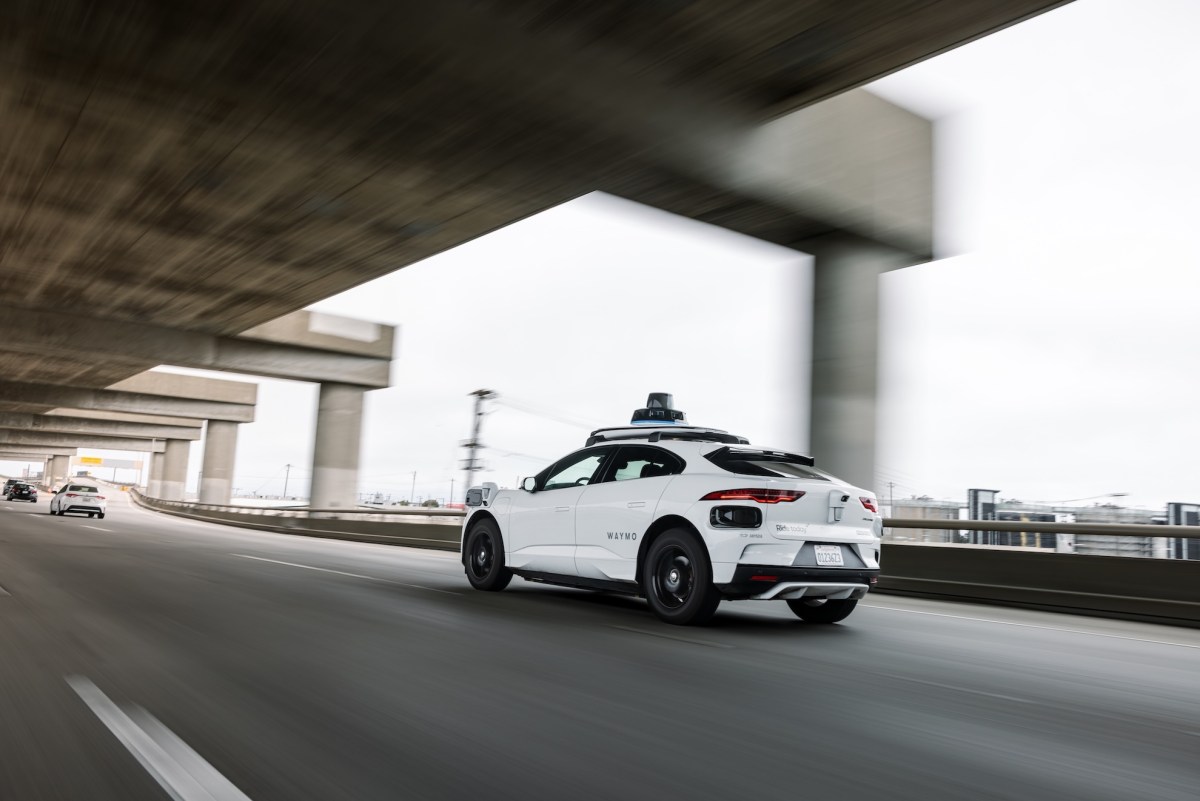
Waymo introduces the Reference Driver model to better benchmark robotaxi performance against human drivers, enhancing safety evaluations.
Waymo’s Revolution in Autonomous Vehicle Benchmarking
Waymo, the leading company in autonomous driving technology under Alphabet, has unveiled a groundbreaking benchmark model named the Reference Driver. This new initiative aims to critically evaluate the performance of its robotaxis against human behavior in various traffic scenarios, a necessity as the company expands its operational footprint amidst increasing scrutiny from regulators and the public.
Enhanced Understanding of Human Driving Behavior
In an era where safe integration of autonomous vehicles on public roads is paramount, Waymo has collaborated with researchers from TU Delft to create a model that precisely mimics human driving actions leading up to accidents. This development, featured in a research paper published in Nature Communications, marks a pivotal improvement over the previous methodologies which primarily simulated reactive driving behaviors.
The Framework of Active Inference
Waymo’s new Reference Driver model is based on a theoretical framework known as active inference. This framework suggests that drivers are perpetually assessing potential future scenarios and taking appropriate actions to navigate safely. By utilizing this model, Waymo expects better predictions of how human drivers might react in critical situations involving potential collisions.
Implications for Safety Evaluation
Historically, the automotive industry has relied on crash test dummies and simulations to evaluate vehicle safety. Waymo's Reference Driver model advances this concept by serving as a behavioral benchmark that represents how a skilled human driver would respond to traffic conflicts. In their recent blog post, Waymo articulated that this model is crucial for understanding human behavior in crash scenarios.
This is especially relevant as the company reflects on incidents involving its autonomous vehicles. For instance, a recent event in Santa Monica, California, where a Waymo robotaxi struck a child, raised questions about the company's safety measures and prompt investigations by regulatory bodies.
Moving Beyond Last-Minute Reactions
One of the paramount distinctions of the Reference Driver is its capacity to simulate the human experience before a crash occurs. According to Arkady Zgonnikov, an assistant professor at TU Delft, this model can replicate the internal “surprise” a driver experiences during unexpected situations, thus providing a more thorough evaluation tool for autonomous systems. Previous models, including Waymo's earlier versions, concentrated solely on immediate responses to imminent threats.
A Collaborative Future
In its bid to refine the Reference Driver further, Waymo is not only sharing its code under an academic, non-commercial license but is also inviting collaboration for continued advancements in research and development. This openness aims to cultivate a community-focused approach to improving automated driving technologies, ensuring they align closer with human driving capabilities and safety expectations.
As Waymo continues to address and adapt to the challenges of scaling autonomous vehicles across various urban landscapes, the Reference Driver model represents a pivotal step forward in bridging the gap between human and robotic driving behaviors, ultimately enhancing public confidence in the future of transportation.
Popular news
New York has declared a disaster emergency over rising measles cases, especially among under-immunized populations, with 108 confirmed cases.



Subscribe to
our news
Get the most important updates and top stories in your inbox.